Proven Interview Tips to Land Your Dream Job Today
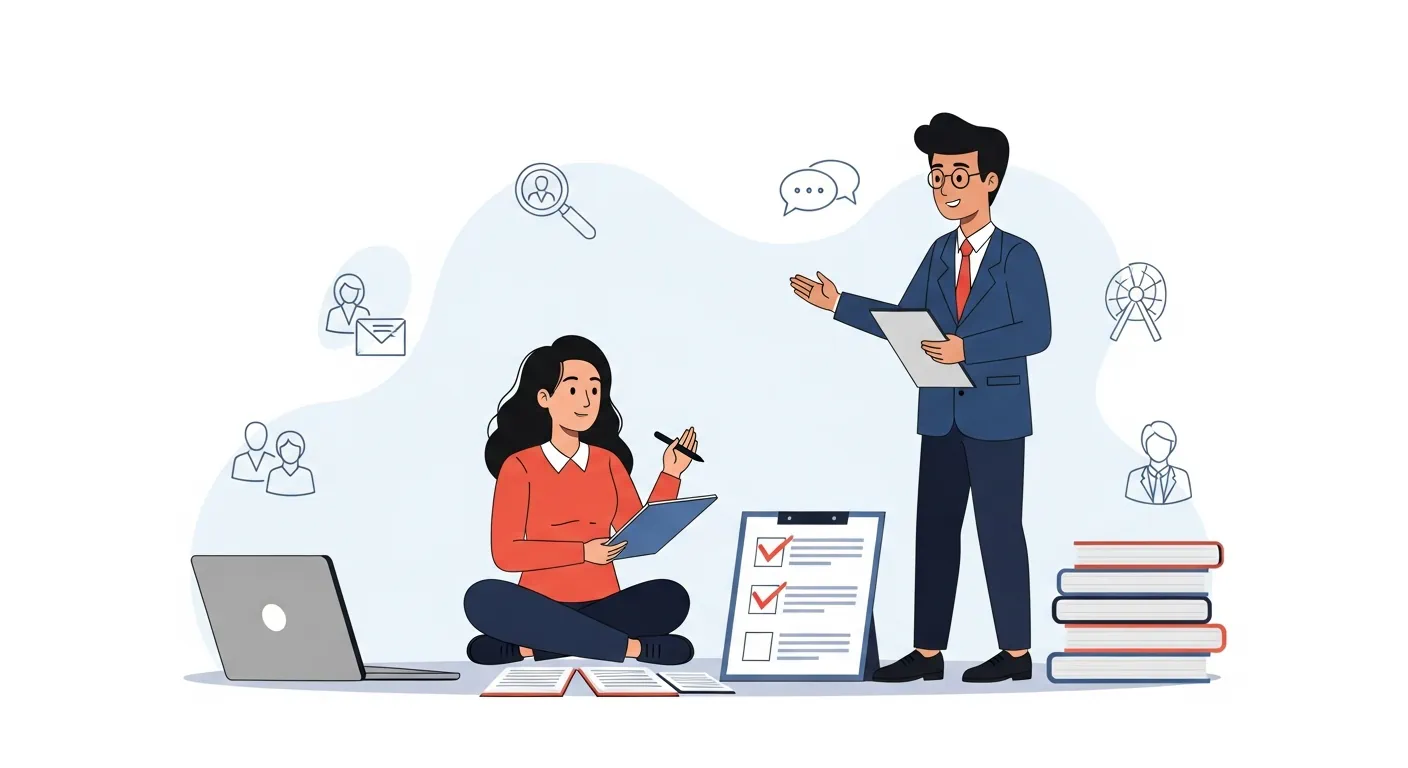
Landing your dream job often hinges on your performance during the interview. It's not just about having the right qualifications; it's about effectively communicating your value and demonstrating why you're the best fit. In today's competitive market, a well-prepared candidate stands out. This article will equip you with proven interview tips to land your dream job today, covering everything from pre-interview preparation to post-interview follow-up. Mastering these strategies will boost your confidence and significantly increase your chances of success.
Key Takeaways:
- Thorough Preparation is Paramount: Research the company and role deeply.
- Craft Compelling Answers: Use the STAR method for behavioral questions.
- Ask Insightful Questions: Show genuine interest and engagement.
- Mind Your Non-Verbal Cues: Body language speaks volumes.
- Follow Up Strategically: Reinforce your interest and reiterate your value.
Mastering the Art of the Interview: Proven Strategies
The interview process can feel daunting, but with the right approach, it becomes an opportunity to showcase your unique skills and personality. By focusing on preparation, confident delivery, and thoughtful follow-up, you can transform a stressful event into a stepping stone towards your career aspirations. Let's delve into the core components that contribute to interview success.
1. Pre-Interview Preparation: The Foundation of Confidence
The most critical phase of any interview happens long before you even enter the room or join the video call. Thorough preparation is non-negotiable for anyone aiming to land their dream job. Without it, you're likely to appear unprepared, uninspired, and less competent than you truly are.
Deep Dive into Company Research
Understanding the company you're interviewing with is more than just glancing at their "About Us" page. It involves a deep dive into their mission, values, recent news, products/services, and competitive landscape. Look for recent press releases, financial reports (if public), and industry analyses. Identify their challenges and how their current projects align with their goals. This research will not only inform your answers but also help you formulate intelligent questions. According to a 2024 report by the Society for Human Resource Management (SHRM), candidates who demonstrate extensive company knowledge are perceived as significantly more engaged and serious about the role.
Deconstruct the Job Description
Don't just skim the job description; deconstruct it. Break down each responsibility and requirement. For every point listed, consider:
- What specific skills or experiences do they highlight?
- How have you demonstrated these in your past roles?
- What quantifiable achievements can you point to that align with these requirements?
This detailed analysis will help you tailor your resume and cover letter and, more importantly, prepare specific examples for your interview.
Anticipate Common Interview Questions
While every interview is unique, many questions are standard. Prepare for these by brainstorming your answers:
- Behavioral Questions: "Tell me about a time you faced a challenge at work." "Describe a situation where you had to work with a difficult colleague."
- Situational Questions: "What would you do if a project deadline was at risk?"
- Motivational Questions: "Why are you interested in this role?" "Why this company?"
- Strengths and Weaknesses: "What are your greatest strengths?" "What is your biggest weakness?"
Practicing your answers aloud, perhaps with a friend or mentor, can make them sound more natural and less rehearsed.
2. Executing the Interview: Making a Memorable Impression
Once you've done your homework, it's time to shine during the actual interview. This phase is about effectively communicating your qualifications, enthusiasm, and cultural fit.
The Power of the STAR Method
When answering behavioral questions, the STAR method is your best friend. This structured approach ensures you provide clear, concise, and compelling responses that highlight your problem-solving abilities and impact.
- Situation: Briefly describe the context of the situation.
- Task: Explain the goal you needed to achieve.
- Action: Detail the specific steps you took.
- Result: Quantify the outcome of your actions.
Using concrete examples with measurable results will demonstrate your capability far more effectively than generic statements. For instance, instead of saying "I'm good at managing projects," say, "In my previous role, I managed a cross-functional project to launch a new feature (Situation). My task was to ensure it was delivered on time and within budget (Task). I implemented a daily stand-up meeting and a visual Kanban board to track progress, identifying and mitigating potential bottlenecks early (Action). As a result, the project was completed 10% under budget and two days ahead of schedule, leading to a 15% increase in user engagement within the first month (Result)." This level of detail is crucial.
Asking Insightful Questions
The interview is a two-way street. Your questions demonstrate your engagement, curiosity, and strategic thinking. Beyond clarifying basic job duties, aim for questions that show you've done your research and are thinking about the bigger picture.
Good questions might include:
- "What are the biggest challenges someone in this role might face in the first 90 days?"
- "How does the company support professional development and learning for its employees?"
- "What are the team's immediate priorities, and how does this role contribute to them?"
- "What do you find most rewarding about working at [Company Name]?"
Avoid questions that could easily be answered by a quick look at the company website or are solely focused on salary and benefits early on.
Non-Verbal Communication Matters
Your body language, tone of voice, and overall demeanor play a significant role in how you're perceived.
- Eye Contact: Maintain steady, natural eye contact with your interviewer(s).
- Posture: Sit up straight, lean slightly forward to show engagement, and avoid fidgeting.
- Handshake (if in-person): Offer a firm, confident handshake.
- Active Listening: Nod, use verbal affirmations like "I see" or "understood," and reflect what the interviewer is saying to show you're paying attention.
- Enthusiasm: Let your genuine interest in the role and company show through your tone and expressions.
A study published in the Journal of Applied Psychology in 2023 found that positive non-verbal cues significantly correlate with higher interview ratings, often outweighing minor content-based weaknesses.
Differentiating Yourself: Showcasing Unique Value
In a sea of qualified candidates, what makes you stand out? It's about presenting your unique value proposition. This can involve highlighting specific niche skills, a track record of innovation, or a particular passion that aligns with the company's mission. For instance, if the company is known for its sustainability initiatives, and you have a personal project or volunteer experience in that area, make sure to weave that into your conversation.
A recent trend observed in 2024 hiring practices is the increasing emphasis on "soft skills" and cultural alignment, often assessed through personality-based questions and scenario discussions. Be prepared to discuss how you collaborate, handle conflict, and contribute to a positive team environment.
3. Post-Interview Follow-Up: Sealing the Deal
The interview doesn't truly end when you leave the room. A strategic follow-up can reinforce your interest, reiterate your qualifications, and set you apart from other candidates.
The Thank-You Note
Send a personalized thank-you note or email within 24 hours of the interview. This is a standard practice, but many candidates skip it, giving you a distinct advantage.
- Personalize it: Reference specific points discussed during the interview.
- Reiterate interest: Briefly restate why you're excited about the role and company.
- Reinforce fit: Highlight a key qualification or skill that makes you a strong candidate.
- Keep it concise: Aim for 3-4 short paragraphs.
Avoid generic thank-you messages. If you interviewed with multiple people, send each interviewer a unique note.
Following Up on Next Steps
If the interviewer provided a timeline for next steps, respect it. If you haven't heard back by the stated date, a polite follow-up email inquiring about the status of your application is appropriate. This shows continued interest and professionalism.
Frequently Asked Questions about Landing Your Dream Job
Q1: How important is researching the interviewer themselves? A: Researching your interviewer on platforms like LinkedIn can provide valuable insights into their background, interests, and professional journey. This can help you tailor your conversation, find common ground, and understand their perspective within the company.
Q2: Should I prepare a portfolio for the interview? A: A portfolio is highly recommended, especially for creative roles or positions where you can visually demonstrate your work. It provides tangible evidence of your skills and accomplishments, offering a more comprehensive view of your capabilities beyond just talking.
Q3: What if I don't know the answer to a question? A: It's better to be honest than to guess or bluff. You can say something like, "That's an interesting question. While I haven't encountered that exact situation, based on my experience with [related skill/situation], I would approach it by..." or "I don't have direct experience with that specific tool, but I'm a quick learner and confident I could master it rapidly. My approach would be to first [explain your learning process]."
Q4: How can I best handle salary negotiations? A: Research salary ranges for similar roles in your geographic location and industry. Ideally, try to defer salary discussions until you have a job offer. When negotiating, focus on your value and contributions rather than just your needs. A recent survey by LinkedIn in late 2023 indicated that candidates who negotiate confidently and professionally often secure better compensation packages.
Conclusion: Your Path to Your Dream Job Starts Now
Landing your dream job is an achievable goal when approached with a strategic and prepared mindset. By implementing these proven interview tips to land your dream job today, you're not just preparing for a single interview; you're investing in your career growth. Remember to conduct thorough research, craft compelling answers using methods like STAR, pay attention to your non-verbal cues, and follow up thoughtfully.
This comprehensive guide has provided actionable strategies to help you navigate the interview process with confidence and success. For further insights into career advancement, readers can explore related articles on building a strong professional network and mastering resume writing.
What are your biggest interview challenges? Share your thoughts and experiences in the comments below! If you found this article helpful, please share it with your network and consider subscribing for more career-boosting advice.