Proven Interview Strategies: Tips for a Confident and Successful Interview
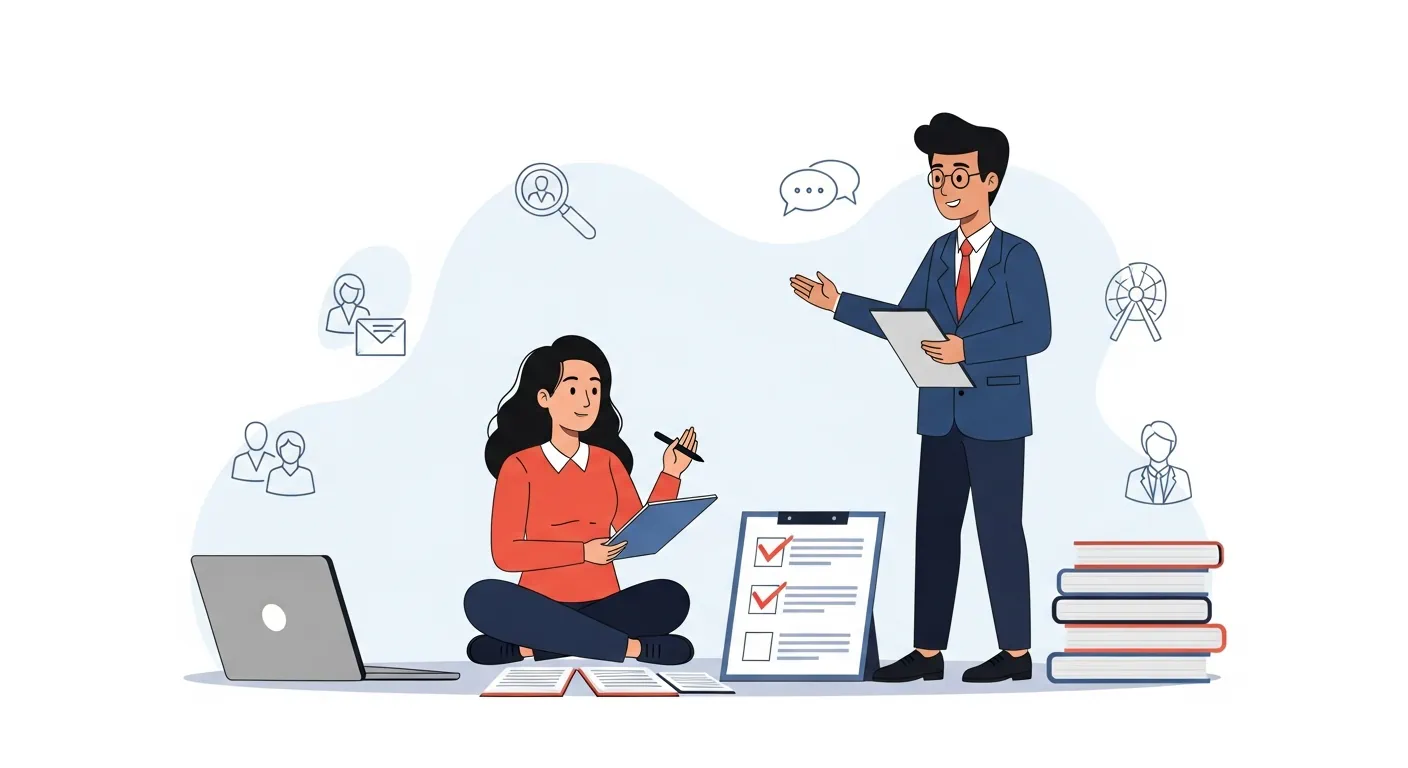
Landing your dream job often hinges on your performance during the interview. This crucial stage is where you can truly showcase your skills, personality, and suitability for a role. Mastering proven interview strategies can transform a daunting experience into an opportunity to shine. This guide provides actionable advice to help you prepare, perform, and ultimately achieve a confident and successful interview. By focusing on preparation, effective communication, and follow-up, you can significantly increase your chances of making a lasting positive impression.
Key Points:
- Thorough Research: Understand the company and role deeply.
- STAR Method: Structure your answers for behavioral questions.
- Confident Demeanor: Project self-assurance through body language and tone.
- Effective Questions: Engage the interviewer with thoughtful inquiries.
- Strategic Follow-Up: Reinforce your interest and suitability.
Unlocking Your Potential with Proven Interview Strategies
The job interview process can feel like a high-stakes performance. However, with the right proven interview strategies, you can approach each encounter with confidence and clarity. The goal is not just to answer questions, but to tell a compelling story about why you are the best candidate. This involves a combination of meticulous preparation, clear communication, and a strategic approach to demonstrating your value. Let's delve into the essential steps that contribute to a successful interview experience.
Pre-Interview Preparation: The Foundation of Success
Before you even step into the interview room (or log into your video call), a significant amount of work should have been done. Effective preparation is perhaps the most critical component of any successful interview strategy. It’s about more than just glancing at a company website; it’s about deep immersion and strategic thinking.
In-depth Company and Role Research
Understanding the company's mission, values, recent achievements, and challenges is paramount. This knowledge allows you to tailor your responses and demonstrate genuine interest. Look for information on their products or services, their competitors, and their company culture.
- Company Mission & Values: How do your own align?
- Recent News & Press Releases: Show you're up-to-date.
- Competitor Analysis: Understand their market position.
- Job Description Deep Dive: Identify key responsibilities and required skills.
Understanding the Interviewer(s)
If possible, research the individuals who will be interviewing you. LinkedIn can be an invaluable tool for understanding their background, tenure at the company, and professional interests. This can help you build rapport and tailor your communication style.
Practicing Common Interview Questions
Anticipate questions related to your experience, skills, and career goals. Practice articulating your answers clearly and concisely. Focus on crafting responses that highlight your accomplishments and problem-solving abilities.
Mastering Your Interview Performance
Once preparation is complete, the focus shifts to your actual interview performance. This is where your confidence, communication skills, and ability to connect with the interviewer come into play.
Delivering Compelling Answers with the STAR Method
For behavioral questions (e.g., "Tell me about a time you failed"), the STAR method is an indispensable tool. It provides a structured framework to deliver clear, concise, and impactful responses.
- Situation: Describe the context of the situation.
- Task: Explain the task you needed to complete.
- Action: Detail the specific actions you took.
- Result: Share the outcome of your actions and what you learned.
This method ensures you provide concrete examples that showcase your skills and problem-solving capabilities effectively. Using the STAR method for interview answers is a cornerstone of effective communication.
Projecting Confidence and Professionalism
Your body language, tone of voice, and overall demeanor speak volumes. Maintain eye contact, offer a firm handshake (if in person), and sit or stand upright. A confident posture can significantly impact how you are perceived.
- Positive Body Language: Open posture, nodding, engaged expression.
- Clear Articulation: Speak at a moderate pace, avoiding filler words.
- Enthusiastic Tone: Convey genuine interest and passion.
Active Listening and Engagement
Interviews are a two-way street. Actively listen to the interviewer's questions and feedback. Show that you are engaged by nodding, making brief affirming sounds, and asking clarifying questions if needed. This demonstrates respect and attentiveness.
Asking Insightful Questions: Beyond the Basics
The questions you ask at the end of an interview are as important as your answers. They demonstrate your engagement, critical thinking, and genuine interest in the role and company. Avoid questions that can be easily answered by a quick website search.
Strategic Questioning Examples
- "What are the biggest challenges the team is currently facing, and how might this role contribute to overcoming them?"
- "Can you describe the typical career progression for someone in this position within your organization?"
- "What are the key performance indicators for success in the first 90 days of this role?"
According to recent industry reports (e.g., a 2024 survey by CareerBuilder), candidates who ask thoughtful questions are perceived as more engaged and better prepared. These questions show you're thinking strategically about your potential contribution.
Differentiated Value: Going Above and Beyond
To truly stand out, incorporate elements that go beyond standard advice. This might involve demonstrating a forward-thinking approach or showcasing unique problem-solving skills.
Showcasing Proactive Problem-Solving
Instead of just answering what you've done, frame your experiences in terms of how you anticipate and solve problems before they arise. For example, if asked about a project that faced hurdles, you could say, "While working on X, I anticipated a potential bottleneck in Y due to Z, and proactively implemented a process to mitigate it, which ultimately saved us two weeks of development time." This demonstrates foresight and a proactive mindset, a valuable trait in any professional.
Leveraging Latest Industry Trends
Integrate your awareness of current industry trends into your answers. If applying for a marketing role, for instance, discussing how you've experimented with emerging social media platforms or data analytics tools shows you're current and innovative. A 2025 analysis of hiring manager preferences highlighted that candidates who can connect their skills to future industry directions are highly valued.
Post-Interview Follow-Up: Securing the Edge
The interview doesn't end when you leave the room. A strategic follow-up can reinforce your interest and leave a lasting positive impression.
Crafting a Thank-You Note
Send a personalized thank-you email within 24 hours of the interview. Reiterate your enthusiasm for the role and mention a specific point discussed during the interview to make it memorable.
- Personalization: Reference a specific conversation or detail.
- Reinforce Fit: Briefly reiterate why you are a strong candidate.
- Professional Tone: Keep it concise and error-free.
Addressing Any Unaddressed Points
If there was something you wished you had explained better, or a question you feel you didn't fully answer, the thank-you note is an opportunity to briefly clarify or expand upon it, without being overly lengthy.
Frequently Asked Questions (FAQ)
Q1: How long should my answers to interview questions be? Your answers should be concise and relevant, typically between one to two minutes. Focus on providing detailed examples using the STAR method without unnecessary jargon or rambling. The aim is to be informative and impactful without overwhelming the interviewer.
Q2: What is the best way to handle a question I don't know the answer to? It’s better to be honest than to guess. You can say, "That's an interesting question. While I don't have direct experience with that specific scenario, based on my understanding of X and Y, I would approach it by..." This shows your thought process and willingness to learn.
Q3: Should I ask about salary during the first interview? Generally, it's best to let the interviewer bring up salary first. If they ask your expectations, provide a range based on your research for similar roles and experience levels. Focus on proving your value before negotiating compensation.
Q4: How can I best prepare for a virtual interview? Ensure a stable internet connection, test your audio and video equipment, choose a quiet and professional background, and dress professionally. Practice looking into the camera to simulate eye contact and minimize distractions.
Conclusion: Your Path to a Successful Interview
Adopting these proven interview strategies will equip you with the confidence and tools necessary to navigate any job interview successfully. Remember that preparation is key, your communication style is crucial, and a strategic follow-up can make all the difference. By focusing on demonstrating your value, showing genuine enthusiasm, and understanding the nuances of the interview process, you can significantly enhance your chances of landing your desired role.
Ready to take the next step? Continue honing your interview skills by exploring resources on salary negotiation and understanding company culture. Share your own interview successes or challenges in the comments below! Your insights could help fellow job seekers. For more in-depth guidance, consider subscribing to our newsletter for regular updates on career advancement and interview best practices.
Potential Internal Link Placements:
- Readers interested in further refining their communication skills might find articles on "Active Listening Techniques" helpful.
- For those preparing for advanced stages of the hiring process, exploring "Behavioral Interview Questions and Answers" could be beneficial.
- Understanding the broader context of career development might lead readers to content on "Setting Career Goals."