Proven Interview Strategies: Boost Your Confidence and Performance
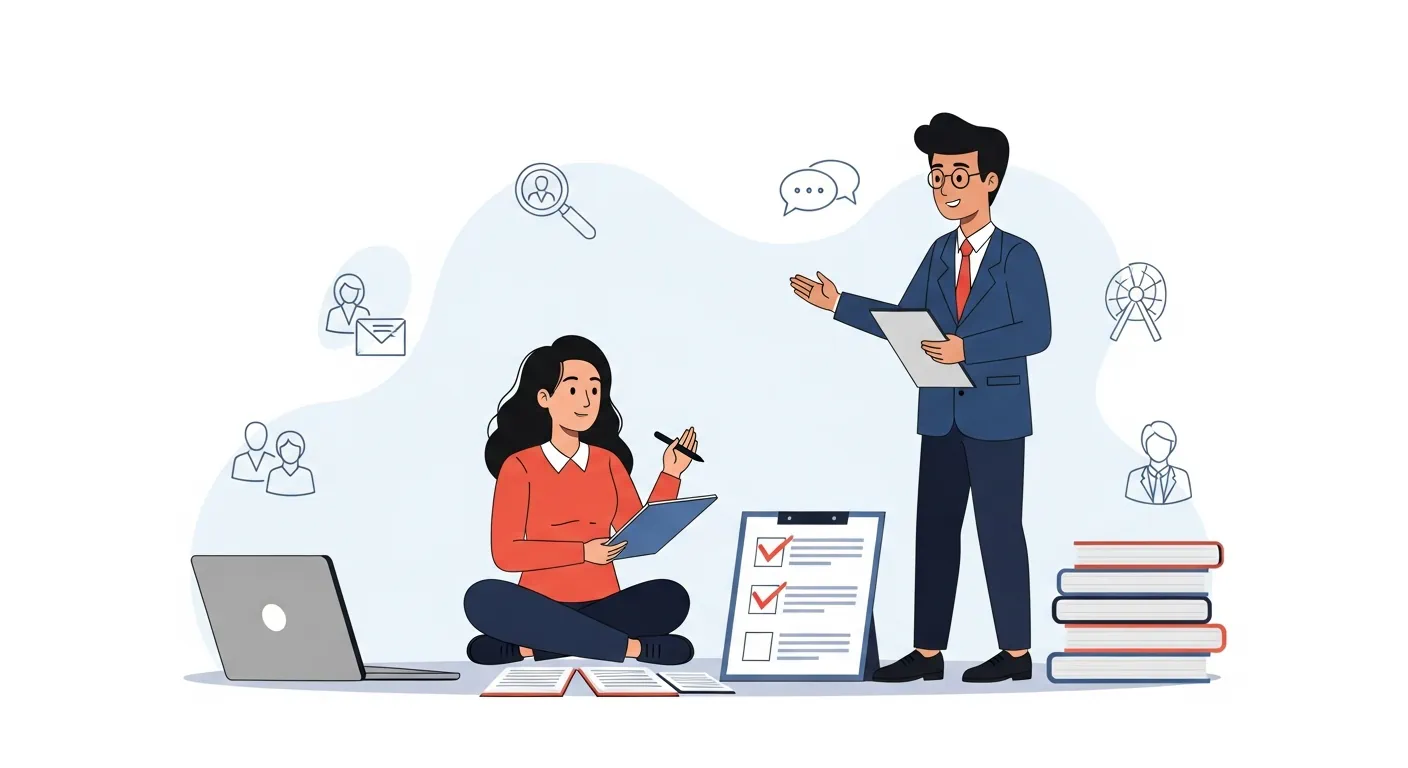
Navigating the job market can be a daunting experience, but with the right approach, you can transform interviews from nerve-wracking hurdles into opportunities to shine. This article delves into proven interview strategies designed to significantly boost your confidence and performance, ultimately helping you secure your desired role. We'll explore everything from meticulous preparation to mastering the art of self-presentation and effective follow-up. By implementing these expert tips, you'll not only enhance your chances of success but also feel more empowered and articulate throughout the entire process. Get ready to elevate your interview game and make a lasting impression.
Key Points for Interview Success:
- Thorough Preparation: Research the company and role deeply.
- Practice & Rehearse: Refine your answers to common questions.
- Master Non-Verbal Cues: Project confidence through body language.
- Strategic Storytelling: Use the STAR method effectively.
- Effective Follow-Up: Reinforce your interest and professionalism.
Understanding the Modern Interview Landscape
The world of job interviews is constantly evolving, with new formats and expectations emerging regularly. Beyond traditional in-person meetings, candidates often face virtual interviews, panel discussions, and even AI-driven assessments. To truly boost your confidence and performance, it's essential to understand these varied landscapes and tailor your approach accordingly. The core principles of preparation and clear communication remain, but their application might shift depending on the medium.
The Shift to Virtual and Hybrid Interviews
The rise of remote work has solidified virtual interviews as a standard practice. While convenient, they present unique challenges. Technical glitches, distracting backgrounds, and the absence of physical presence can impact your ability to connect. Mastering these environments is a crucial part of modern proven interview strategies. Ensure your internet connection is stable, your background is professional, and your lighting is adequate. Practice looking directly into the camera to simulate eye contact, which helps build rapport.
Strategic Preparation: The Cornerstone of Interview Confidence
Preparation isn't just about knowing your resume; it's about anticipating, understanding, and strategizing. This foundational step is where you truly build the confidence needed to perform exceptionally. Effective preparation is one of the most proven interview strategies for any job seeker.
Deep Dive into Company and Role Research
Before any interview, immerse yourself in research. Understand the company's mission, values, recent achievements, and challenges. Explore their social media presence and news releases. For the specific role, meticulously analyze the job description, identifying key responsibilities and required skills. This deep understanding allows you to tailor your answers, demonstrating genuine interest and how your skills align perfectly. A 2023 report by TalentWorks indicated that candidates who thoroughly research a company are 40% more likely to receive a second interview.
Crafting Compelling Answers with the STAR Method
Behavioral questions, such as "Tell me about a time you faced a challenge," are common. The STAR method (Situation, Task, Action, Result) is an incredibly effective framework for structuring your responses. It allows you to provide concise, impactful stories that highlight your skills and experiences. Practicing your responses using this method is vital for smooth delivery. For more information on this topic, readers can explore related articles on storytelling in interviews.
Anticipating and Practicing Common Interview Questions
While you can't predict every question, many common themes recur. Prepare answers for:
- "Tell me about yourself."
- "Why are you interested in this role/company?"
- "What are your strengths and weaknesses?"
- "Where do you see yourself in five years?"
- "Do you have any questions for us?"
Mock interviews with friends, mentors, or career coaches can significantly refine your delivery and identify areas for improvement. This proactive approach is a key component of proven interview strategies.
Mastering the Interview Itself: Performance Tactics
Once you're in the interview, whether virtually or in person, your performance hinges on more than just your answers. It's about how you present yourself, engage with the interviewer, and manage your nerves. These performance tactics are essential for anyone looking to boost your confidence and performance.
Projecting Confidence Through Non-Verbal Communication
Your body language speaks volumes. Maintain good posture, make appropriate eye contact, and offer a firm handshake (if in-person). For virtual interviews, ensure you're well-framed and avoid fidgeting. A genuine smile can also make you appear more approachable and confident. Research from the University of California, Berkeley in 2024 highlighted that positive non-verbal cues significantly influence interviewer perception, often more than verbal content alone in initial assessments.
Active Listening and Engaging Dialogue
An interview is a two-way conversation. Practice active listening by paying close attention to the interviewer's questions and comments. Ask clarifying questions if needed and engage in a natural dialogue rather than simply reciting rehearsed answers. This demonstrates genuine interest and strong communication skills. Showing enthusiasm and asking insightful questions about the team or company culture can set you apart.
Differentiated Insight: The Psychology of Interview Confidence
Beyond preparation, understanding the psychology behind confidence can be a game-changer. Many candidates struggle with imposter syndrome or performance anxiety. A unique strategy is to reframe your mindset: instead of viewing the interview as an interrogation, see it as a collaborative discussion to determine mutual fit. Focus on sharing your expertise and learning about the opportunity. This shift in perspective can significantly reduce stress and allow your authentic self to shine, which is a powerful way to boost your confidence and performance.
Leveraging AI for Interview Preparation: A Modern Edge
In today's tech-driven world, AI tools are emerging as powerful aids for interview preparation. Platforms offering AI-powered mock interviews can analyze your verbal and non-verbal cues, providing instant feedback on your tone, pace, eye contact, and even filler words. This personalized, data-driven feedback offers a cutting-edge advantage, allowing you to refine your delivery in ways traditional mock interviews might miss. This is a relatively new but increasingly proven interview strategy for candidates seeking a competitive edge.
Post-Interview Excellence: Follow-Up Strategies
The interview doesn't end when you leave the room or log off. Your post-interview actions can reinforce your interest and professionalism, leaving a lasting positive impression.
The Power of a Timely Thank-You Note
Always send a personalized thank-you note or email within 24 hours of your interview. Reiterate your interest in the position, mention specific points from your conversation, and briefly remind them of how your skills align with the role. This small gesture demonstrates professionalism and attention to detail.
What to Do While You Wait
Patience is key. Avoid bombarding the hiring manager with follow-up calls. If you haven't heard back within the timeframe they provided, a polite, brief email checking on the status of your application is acceptable. Continue to explore other opportunities in the meantime.
FAQ Section: Common Interview Questions Answered
Q1: How can I overcome interview anxiety and nervousness?
A1: To overcome anxiety, focus on thorough preparation, which naturally builds confidence. Practice deep breathing exercises before and during the interview. Reframe your mindset from "being judged" to "having a conversation." Visualize success and remind yourself of your qualifications. Remember, a little nervousness is normal and can even sharpen your focus.
Q2: What are the best questions to ask the interviewer?
A2: Asking insightful questions demonstrates engagement. Good questions include: "What does a typical day look like in this role?" "What are the biggest challenges facing this team/department?" "How do you measure success in this position?" "What opportunities are there for growth and development?" "What's the team culture like?" Avoid asking about salary or benefits in the first interview.
Q3: How do I discuss salary expectations without underselling myself?
A3: When asked about