Preparing for Your First Job Interview: What to Expect and How to Shine
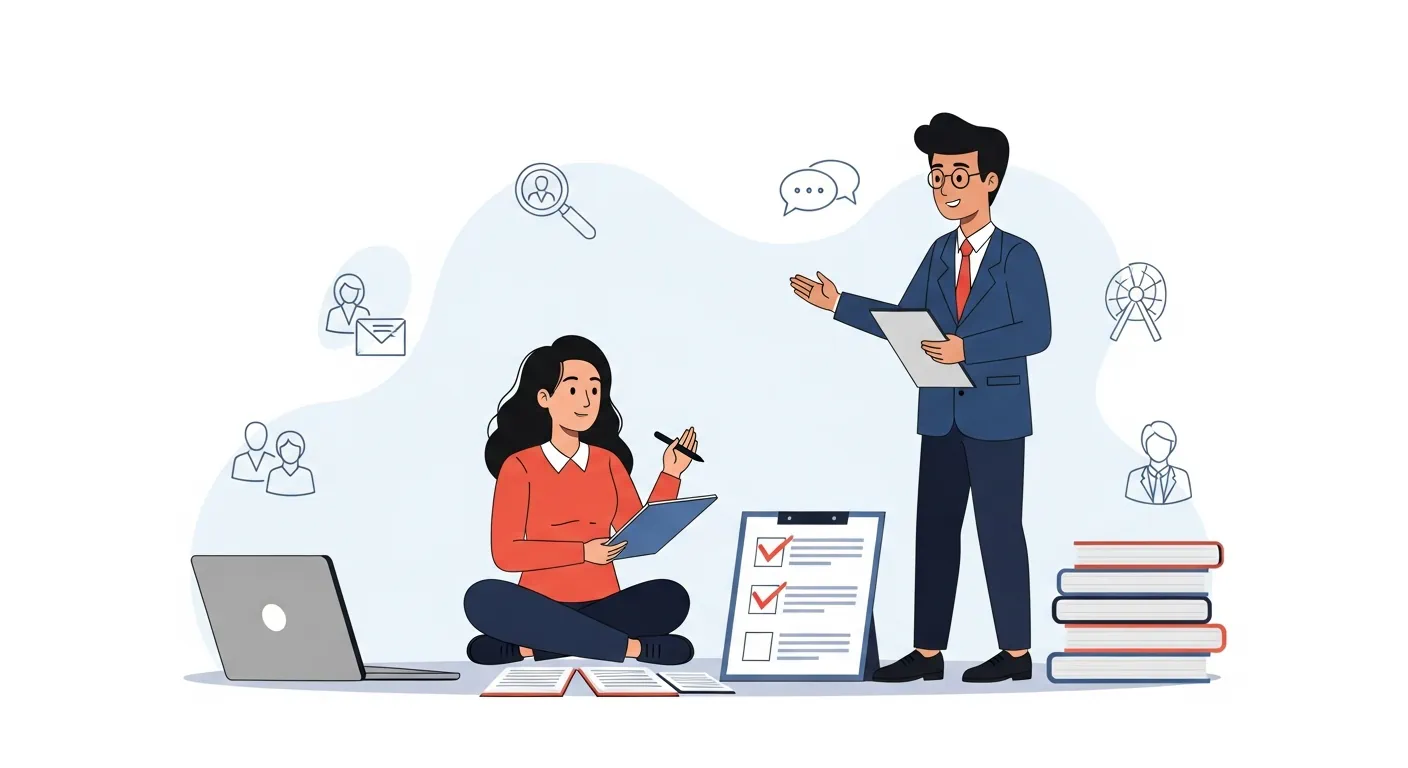
Embarking on your career journey is an exciting milestone, and preparing for your first job interview is a crucial step. This initial encounter can feel daunting, but with the right knowledge and practice, you can transform apprehension into confidence. Understanding what employers are looking for and how to effectively showcase your potential will set you apart. This comprehensive guide will equip you with essential strategies, from pre-interview research to post-interview follow-up, ensuring you shine brightly in your very first professional conversation.
It's not just about answering questions; it's about making a memorable impression. You’ll learn to anticipate common scenarios, articulate your strengths, and demonstrate genuine enthusiasm. By focusing on these key areas, you'll be well-prepared to secure that coveted first role. Let's dive into how you can turn your first interview into a stepping stone for future success.
Key Points for Your First Job Interview Success
- Thorough Company and Role Research: Understand the organization's mission and the job's responsibilities.
- Practice Common Interview Questions: Rehearse your answers, focusing on structure and relevance.
- Prepare Thoughtful Questions: Demonstrate engagement by asking insightful questions to the interviewer.
- Professional Presentation: Dress appropriately and ensure punctuality, whether in-person or virtual.
- Prompt Follow-Up: Send a thank-you note to reiterate your interest and appreciation.
Mastering the Art of Preparing for Your First Job Interview
Your first job interview is more than just a conversation; it's an opportunity to demonstrate your potential and suitability for a role. Successfully preparing for your first job interview involves a multi-faceted approach, combining thorough research, strategic practice, and meticulous attention to detail. This section will walk you through the core components of effective preparation, ensuring you feel confident and ready.
Understanding the Interview Landscape: What to Expect
Before diving into specific questions, grasp the general flow of a job interview. Most interviews begin with introductions, followed by the interviewer asking about your background, skills, and experience. You'll then likely have a chance to ask your own questions. Finally, there will be a discussion about next steps. Expect a mix of behavioral, situational, and technical questions, depending on the role. Modern interviews also increasingly incorporate virtual formats and even AI-powered screenings.
For instance, a 2024 report by the HR Technology Conference highlighted that over 70% of initial screenings for entry-level positions now involve some form of automated assessment or video interview. This trend underscores the importance of being comfortable with technology and presenting clearly on camera.
Pre-Interview Preparation: Laying the Foundation for Success
Effective preparation is the bedrock of a confident interview performance. This stage is critical for anyone preparing for their first job interview.
- Deep Dive Research: Beyond just reading the "About Us" page, explore the company's recent news, projects, and values. Understand the specific responsibilities listed in the job description. This knowledge helps you tailor your answers and ask informed questions. Showcasing this depth can really impress hiring managers.
- Resume and Application Review: Re-read your submitted resume and cover letter. Be prepared to elaborate on any experience, projects, or skills you've highlighted. Remember, they're looking to verify and expand on what you've already provided.
- Anticipate Common Questions: Prepare answers for frequently asked questions like "Tell me about yourself," "Why are you interested in this role?", and "What are your strengths and weaknesses?" Focus on providing concise yet comprehensive responses.
- Practice Makes Perfect: Conduct mock interviews with a friend, mentor, or career counselor. This helps you refine your answers, manage your time, and reduce anxiety. Practicing out loud makes a significant difference.
Navigating Video Interviews and AI Screening
A key differentiator for today's first-time job seekers is the prevalence of virtual interviews. When preparing for your first job interview in a virtual format, specific considerations apply. Ensure you have a stable internet connection, a quiet and professional background, and good lighting. Test your audio and video equipment beforehand.
For AI-screened video interviews, speak clearly and maintain eye contact with the camera. AI systems often analyze facial expressions, tone of voice, and keyword usage. According to a 2023 article in Forbes, candidates who demonstrate clear articulation and appropriate enthusiasm tend to score higher in these initial screenings. Frame your responses concisely, as many AI tools have time limits per answer.
Shining During the Interview: Strategies and Insights
The interview itself is your stage to shine. How you present yourself, articulate your thoughts, and engage with the interviewer can significantly impact their decision.
Crafting Compelling Answers: The Art of Storytelling
Instead of merely stating facts, learn to tell stories. The STAR method (Situation, Task, Action, Result) is invaluable here. When asked about a past experience, describe the Situation you faced, the Task you needed to accomplish, the Actions you took, and the positive Result of your efforts.
For example, if asked about problem-solving:
- Situation: "During my volunteer work at the local library, we had an unexpected surge in demand for digital book access."
- Task: "My task was to streamline the digital borrowing process and train patrons quickly."
- Action: "I developed a simple one-page guide, held short tutorial sessions, and created a dedicated FAQ sheet. I also collaborated with a fellow volunteer to manage the increased inquiries."
- Result: "Within two weeks, user satisfaction with digital borrowing increased by 30%, and wait times for assistance significantly decreased, allowing more patrons to access resources independently."
This approach turns a simple answer into a memorable anecdote, showcasing your skills in action. It’s a powerful way to stand out, especially when preparing for your first job interview.
Common First Interview Questions and Expert Answers
Be ready for these core inquiries when preparing for your first job interview:
- "Tell me about yourself.": Focus on your academic journey, relevant experiences, and career aspirations, linking them to the job. Keep it concise, no more than 1-2 minutes.
- "Why are you interested in this position/company?": Show you've done your research. Highlight specific aspects of the role or company culture that resonate with you.
- "What are your greatest strengths?": Choose 2-3 strengths relevant to the job (e.g., adaptability, strong work ethic, quick learner) and provide a brief example for each.
- "What are your greatest weaknesses?": Frame a weakness as an area for growth. For example, "I sometimes over-focus on minor details, but I'm actively working on delegating and trusting my team more." Always show a commitment to improvement.
- "Where do you see yourself in five years?": Demonstrate ambition and a desire to grow within the company. Align your goals with potential career paths at the organization.
The Importance of Non-Verbal Communication
Your body language speaks volumes. Maintain good eye contact, offer a firm handshake (if in-person), and sit upright. Nod to show you're listening, and use hand gestures naturally. Avoid fidgeting, slumping, or looking away frequently. A warm, genuine smile can also make you appear approachable and enthusiastic. These subtle cues contribute significantly to your overall impression.
Questions to Ask the Interviewer
This is your opportunity to interview them and demonstrate your genuine interest. Always have 2-3 thoughtful questions prepared.
- "What does a typical day look like for someone in this role?"
- "What are the biggest challenges someone in this position might face?"
- "How does the team collaborate, and what is the team culture like?"
- "What opportunities are there for professional development and growth within the company?"
Asking insightful questions shows you are engaged and considering the role seriously.
Post-Interview Etiquette: Solidifying Your Impression
Your efforts shouldn't end when the interview does. A timely follow-up is a critical part of preparing for your first job interview and completing the process professionally.
- Send a Thank-You Note: Within 24 hours, send a personalized thank-you email to each interviewer. Reiterate your interest in the role, mention something specific you discussed, and briefly reaffirm why you are a good fit. This gesture shows professionalism and appreciation.
- Internal Link Suggestion: For more in-depth guidance on crafting the perfect follow-up, consider exploring our
/articles/mastering-the-post-interview-follow-uparticle. - Be Patient: The hiring process can take time. Avoid excessive follow-ups. If you haven't heard back within the timeframe they provided, a single, polite follow-up email after that period is acceptable.
FAQ: Your First Job Interview Questions Answered
Here are some common questions first-time job seekers often have.
How long does a typical first job interview last?
Most first-round job interviews, especially for entry-level positions, typically last between 30 to 60 minutes. This duration allows enough time for the interviewer to assess your basic qualifications, cultural fit, and communication skills without becoming exhaustive. For specific roles or higher-level positions, interviews can sometimes extend to 90 minutes. Always budget extra time for potential delays or extended discussions.
What should I wear to my first interview?
For most professional settings, "business casual" is a safe bet for a first interview. This generally means slacks or a skirt, a collared shirt or blouse, and closed-toe shoes. Err on the side of being slightly overdressed rather than underdressed. If the company culture is very casual, you might opt for smart casual attire, but it's always best to research the company's dress code or ask the recruiter for guidance if unsure.
Is it okay to say "I don't know" in an interview?
While it's generally best to provide an answer, saying "I don't know" is acceptable if followed by an explanation and a willingness to learn. For instance, "That's a great question, and I honestly don't have direct experience with that specific tool. However, I'm a very quick learner and I'm confident I can pick it up efficiently, as I've successfully learned similar software in the past." This demonstrates honesty and a growth mindset.
How soon should I follow up after an interview?
It's best practice to send a thank-you note or email within 24 hours of your interview. This shows promptness and reiterates your enthusiasm for the position. If you don't hear back within the timeframe the interviewer provided (e.g., "We'll be in touch next week"), it's appropriate to send a single, polite follow-up email to check on the status, usually a week after the initial thank-you note.
Unlock Your Potential: Your Next Steps
Preparing for your first job interview is a pivotal moment in your career journey. By applying the strategies outlined here, you are not just getting ready for an interview; you are investing in your future professional success. Remember, every interview is a learning experience, and each one brings you closer to your goals. Confidence comes from preparation, so embrace the process!
Don't let nerves hold you back. Take action now: review your resume, practice your answers, and prepare those thoughtful questions. Share your own first interview experiences or questions in the comments below – your insights could help others! For more in-depth guidance on various aspects of career development, consider exploring our full range of resources in the /categories/interview-preparation-guide. You can also find tailored advice on preparing-a-stellar-resume-for-your-first-job to complement your interview readiness.
Expand Your Knowledge
For future growth and continued development, consider these related topics:
- Advanced Salary Negotiation Tactics: Once you ace the interview, how to confidently discuss compensation.
- Building Your Professional Network: Strategies for connecting with industry leaders and peers.
- Thriving in Your First 90 Days: How to make a strong impression and succeed in your initial months on the job.