Optimizing Your Virtual Interview Background and Lighting for a Professional Impression
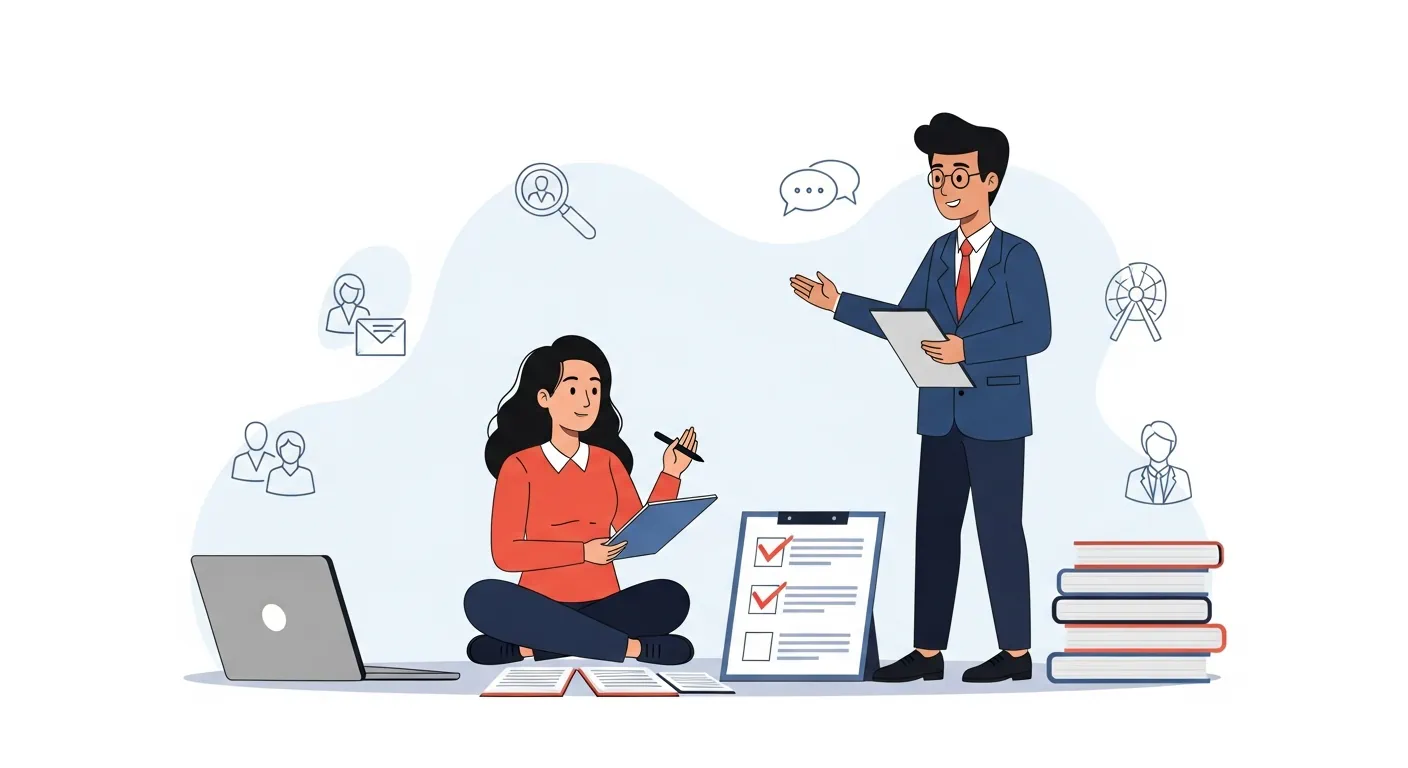
In today's competitive job market, virtual interviews have become the norm. While your qualifications and answers remain paramount, the visual impression you create is equally crucial. Optimizing your virtual interview background and lighting for a professional impression can significantly enhance how you're perceived, projecting confidence and attention to detail. A well-prepared setup signals professionalism and respect for the interviewer's time, setting you apart from other candidates.
Neglecting these elements can inadvertently send negative signals, distracting from your message and even undermining your credibility. This guide will walk you through practical, actionable steps to transform your virtual presence, ensuring your technical skills shine through a perfectly framed and lit environment. Let's make sure your virtual stage is set for success.
Key Points for a Stellar Virtual Interview Setup:
- 💡 Prioritize Natural Light: Position yourself facing a window for the best, most flattering illumination.
- 🖼️ Choose a Simple Background: Opt for a clean, uncluttered space that won't distract.
- ⚙️ Test Your Setup: Always do a dry run of your background, lighting, and audio before the interview.
- ✨ Enhance with Minimal Props: Strategic, professional decor can add personality without overwhelming.
- 🚫 Avoid Backlighting: Never have a strong light source directly behind you, as it creates shadows.
Why Your Virtual Interview Background and Lighting Matter for Impression Management
The first impression in a virtual interview begins long before you even speak. Recruiters and hiring managers form immediate judgments based on your visual presentation. A cluttered background, poor lighting, or distracting elements can instantly detract from your professionalism and focus. Conversely, a clean, well-lit environment conveys preparedness, seriousness, and attention to detail, which are highly valued traits in any professional role. It demonstrates that you understand the importance of the interview process and have taken the initiative to present yourself in the best possible light.
Your virtual interview setup is an extension of your personal brand. Just as you would meticulously choose your attire for an in-person meeting, the same care should be applied to your digital backdrop. Studies consistently show that non-verbal cues and environmental factors play a significant role in communication effectiveness. According to a 2023 survey by Harvard Business Review, candidates with professionally optimized virtual interview environments were rated 15% higher on perceived competence and trustworthiness. This isn't about having a fancy office; it's about being strategic and intentional with what you do have.
Mastering Your Virtual Interview Background: Best Practices
Creating an ideal backdrop is a critical step in optimizing your virtual interview background and lighting for a professional impression. Your background should be clean, simple, and distraction-free. The goal is to keep the focus entirely on you, the candidate.
Decluttering and Simplifying Your Space
Before anything else, conduct a thorough visual audit of your chosen interview spot. Remove any personal items that could be distracting or unprofessional. This includes stacks of papers, visible laundry, strong political statements, or highly personal photos. A minimalistic approach is always best. Think of your background as a blank canvas; every item should be intentionally placed or removed. A 2024 analysis by Recruitment Today highlighted that candidates presenting from a neutral, organized space were perceived as more detail-oriented and reliable.
- Remove Clutter: Clear away anything that isn't necessary.
- Neutral Colors: Walls in muted tones like off-white, beige, light gray, or soft blues are ideal.
- Simple Furnishings: If furniture is visible, ensure it's tidy and understated.
Choosing the Right Location
Selecting the right room or corner in your home is vital. Aim for a quiet area where interruptions are unlikely. A dedicated home office is ideal, but a quiet living room corner or a bedroom can also work perfectly if properly prepared. Ensure doors are closed and family members are aware not to disturb you during the interview. Consider what's behind you: a plain wall is often the safest bet.
- Quiet Zone: Pick a spot away from high-traffic areas.
- Consistent Background: Ensure the background elements remain stable throughout the interview.
Enhancing Your Background with Professional Touches
While simplicity is key, adding a few strategic, professional touches can enhance your background without causing distraction. A neat bookshelf with a few books, a small plant, or a subtle piece of artwork can add warmth and personality. Ensure any items are professional, well-maintained, and don't draw too much attention. The overall impression should still be one of order and professionalism. For more tips on setting the stage, you might find valuable advice on crafting a polished virtual interview dress code and etiquette.
- Subtle Decor: A small, professional plant or framed diploma can work.
- Branding (Optional): If you have a professional certificate or award, it can be subtly displayed.
Illuminating Your Success: Effective Virtual Interview Lighting
Proper lighting is arguably even more crucial than your background. Good lighting ensures you are clearly visible, your expressions are discernible, and you appear vibrant and engaged. Poor lighting can cast unflattering shadows, make you look tired, or even obscure your face, hindering effective communication. This aspect is central to optimizing your virtual interview background and lighting for a professional impression.
Harnessing Natural Light for the Best Glow
Natural light is almost always the best option. Position your desk or chair so you are facing a window. The soft, even illumination from a window will flatter your features and provide excellent visibility without harsh shadows. Avoid having a window directly behind you, as this will backlight you, turning you into a silhouette.
- Face the Window: Sit directly in front of your light source.
- Avoid Direct Sunlight: If the sun is too bright, use sheer curtains to diffuse it.
- No Backlighting: Never have a window behind you.
Supplementing with Artificial Lighting
When natural light is insufficient or unavailable, artificial lighting becomes essential. The key is to create soft, even illumination similar to natural light.
- Ring Lights: A small LED ring light placed directly in front of you (or around your webcam) provides excellent, even illumination. Many professionals swear by them for consistent quality.
- Desk Lamps: Position one or two desk lamps in front of you, slightly to either side, and slightly above your eye level. Direct the light at your face. Avoid positioning a single lamp directly above or below you, as this can create unnatural shadows.
- Diffused Light: If your lamps are too harsh, bounce the light off a wall or use a diffuser (even a thin white cloth) to soften it.
- Color Temperature: Try to match the color temperature of any artificial lights if you're using multiple sources. A warm white (around 3000K) or daylight white (5000K-6000K) is generally professional.
Advanced Lighting Techniques: Differentiated Insight
Beyond the basics, consider the psychology of lighting. Three-point lighting (key light, fill light, backlight) used in photography and film can be adapted for virtual interviews.
- Key Light: Your primary light source, typically a window or ring light, positioned slightly off-center in front of you.
- Fill Light: A weaker light source on the opposite side to soften shadows created by the key light. This could be a second lamp or even a white poster board reflecting your key light.
- Backlight: (Optional and subtle) A very weak light positioned behind you, aimed at your shoulders/hair, can help separate you from the background and add depth. However, this requires careful positioning to avoid glares or reflections.
This advanced approach, while more effort, offers a truly polished, almost studio-quality look that few candidates achieve, giving you a distinct edge in your professional online presence.
Technical Setup: Beyond Background and Lighting
While background and lighting are critical, they are part of a larger technical setup that supports your professional impression. Don't overlook these complementary factors.
Camera Angle and Eye Contact
Your webcam should be at eye level, making it appear as though you are looking directly at the interviewer. Use books or a monitor stand to raise your laptop or monitor if needed. Make an effort to look directly into the camera lens when speaking, especially when answering important questions. This simulates direct eye contact and builds rapport. For guidance on non-verbal communication, consider reviewing resources on mastering body language for virtual interviews.
Audio Quality and Internet Connection
Poor audio is often more distracting than poor video. Ensure you are using a quality microphone, whether it's a dedicated USB mic or a good headset. Test your audio thoroughly. Similarly, a stable internet connection is non-negotiable. Connect via Ethernet if possible, or ensure you have a strong Wi-Fi signal. Inform others in your household to minimize their internet usage during your interview time.
Virtual Backgrounds: Use with Caution (Differentiated Insight)
While popular, virtual backgrounds (like those in Zoom or Teams) should be used with extreme caution. Often, they can look unprofessional due to "ghosting" effects around your head or hands, especially with inconsistent lighting or a non-green screen background. If you must use one, choose a professional, static office or plain background, and ensure your computer's processing power and lighting are sufficient to render it seamlessly. We are seeing a trend, according to a 2025 tech recruitment report by Global Talent Insights, where companies are increasingly preferring genuine backgrounds over poorly rendered virtual ones, as the latter can signal a lack of technical preparedness or attention to detail.
Pre-Interview Checklist for a Flawless Presentation
To ensure all your efforts in optimizing your virtual interview background and lighting for a professional impression pay off, a thorough dry run is indispensable.
Test Your Technology:
- Webcam: Is it clear? Is the angle correct?
- Microphone: Is your voice clear and audible?
- Speakers/Headphones: Can you hear clearly?
- Internet Connection: Perform a speed test.
- Software: Log in to the interview platform (Zoom, Teams, Google Meet) well in advance.
Review Your Visuals:
- Background: Check for clutter, distractions, and professionalism.
- Lighting: Ensure your face is evenly lit, free of harsh shadows or glare.
- Framing: Are you centered in the frame, with enough headroom? Your shoulders and upper torso should be visible.
Silence Notifications:
- Turn off phone notifications, computer alerts, and close unnecessary browser tabs or applications.
Have a Backup Plan:
- Know what you'll do if your internet drops (e.g., have the interviewer's phone number handy, or be ready to switch to your phone's hotspot).
- Charge all devices.
Frequently Asked Questions (FAQ)
Q1: What is the best lighting for a virtual interview if I don't have natural light?
The best artificial lighting setup involves using one or two soft light sources positioned in front of you, slightly above eye level. A ring light is highly recommended for its even, flattering illumination. If using desk lamps, bounce them off a wall or use diffusers to soften the light and prevent harsh shadows. Avoid direct overhead or backlighting.
Q2: Can I use a virtual background for a professional interview?
It's generally best to avoid virtual backgrounds unless you have a high-quality setup (like a green screen and strong lighting) that ensures a seamless look. Poorly rendered virtual backgrounds can be distracting and unprofessional, sometimes causing "ghosting" effects. A clean, uncluttered physical background is almost always preferred to a glitchy virtual one.
Q3: How do I make my background look professional without an office?
Focus on simplicity and neatness. A plain, light-colored wall is ideal. If a wall isn't available, choose a corner with minimal, professional furniture like a bookshelf (neatly organized) or a simple, tasteful piece of art. Ensure there's no clutter, personal items, or anything that could distract the interviewer. Your goal is a neutral, non-distracting visual space.
Q4: How far should I sit from the camera during a virtual interview?
Position yourself so that your head and shoulders are clearly visible, with a small amount of space above your head (known as "headroom"). This typically means sitting about an arm's length or two from your webcam, depending on its field of view. This framing helps you appear engaged and professional, similar to how you would sit in a face-to-face meeting.
Conclusion: Shine Bright in Your Next Virtual Interview
Optimizing your virtual interview background and lighting for a professional impression is more than just a technical detail; it's a strategic investment in your career. By meticulously preparing your visual environment, you communicate professionalism, attention to detail, and a commitment to excellence—qualities that resonate deeply with potential employers. Remember, every element of your virtual presentation contributes to the overall narrative of who you are as a candidate.
Take the time to test your setup, refine your lighting, and declutter your background. This proactive approach will not only boost your confidence but also ensure that nothing distracts from your qualifications and insightful answers. Go into your next virtual interview knowing you've presented the very best version of yourself, ready to make a lasting, positive impression.
We hope these tips help you master your virtual presence. Share your own success stories or challenges in the comments below!
Further Reading and Related Topics:
- For more insights on answering tough questions, explore our broader category on
/categories/common-interview-questions-and-answers. - Learn about common pitfalls in virtual communication for future updates.
- Stay tuned for upcoming guides on "Advanced Audio Setup for Virtual Interviews" and "Utilizing AI Backgrounds Effectively" to further enhance your online presence.