Job Seeker Success: Mastering the Interview Process
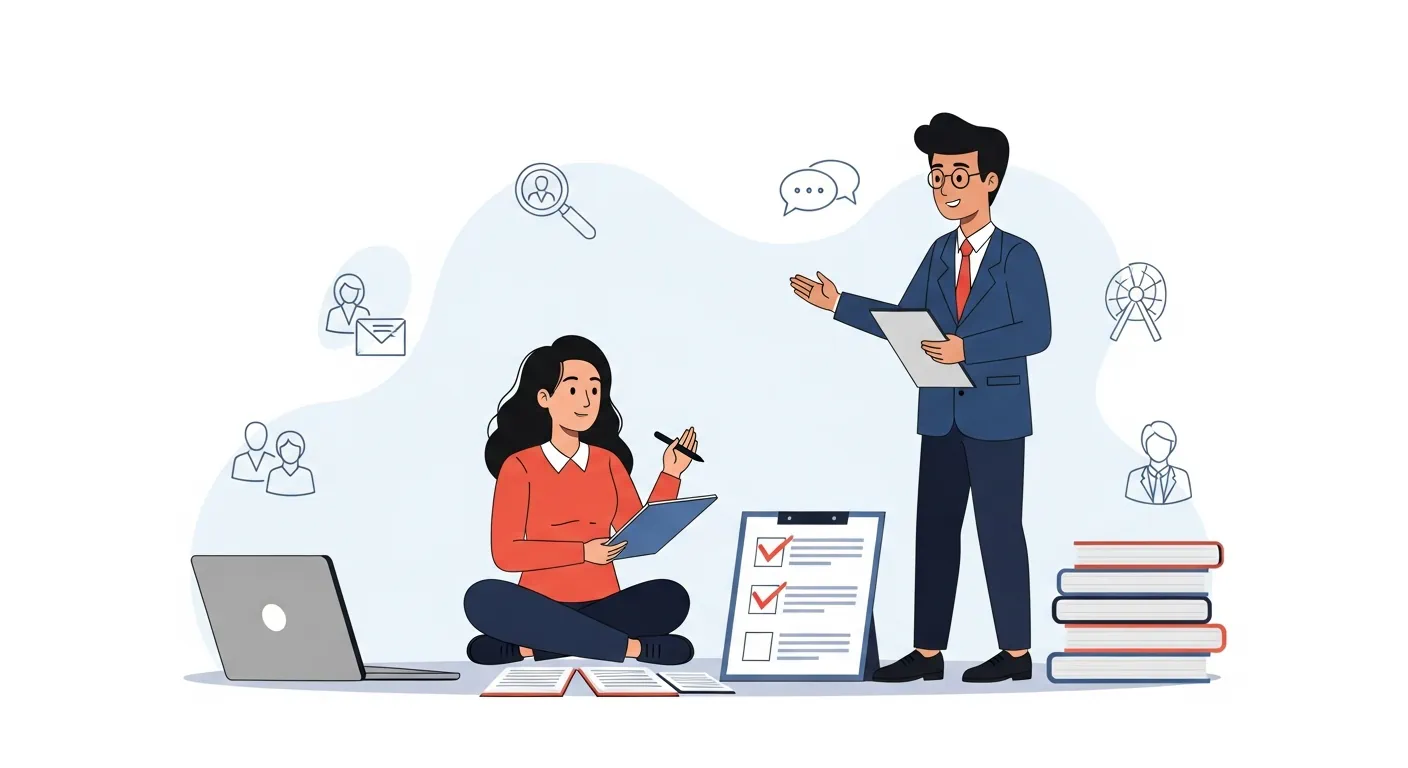
Job Seeker Success: Mastering the Interview Process
The job market is more competitive than ever, making the interview stage a critical hurdle for aspiring professionals. Achieving job seeker success hinges significantly on your ability to confidently navigate and excel in every interview scenario. This comprehensive guide is designed to equip you with the strategies and insights needed for mastering the interview process, transforming anxiety into assurance and turning opportunities into job offers. We'll delve into everything from meticulous preparation to acing virtual interactions and crafting impactful follow-ups, ensuring you stand out from the crowd.
Key Points for Interview Mastery:
- Strategic Preparation: Thoroughly research the company and role to tailor your responses effectively.
- Virtual Interview Acumen: Optimize your technical setup and non-verbal cues for remote interactions.
- Behavioral Question Mastery: Utilize the STAR method to provide structured, compelling answers.
- Differentiated Value: Showcase unique skills and insights that set you apart from other candidates.
- Impactful Follow-Up: Craft personalized thank-you notes and strategic communications to reinforce your interest.
Understanding the Modern Interview Landscape
The interview process has evolved, incorporating new technologies and formats. Today, mastering the interview process means being adaptable, whether you're facing a traditional in-person meeting, a panel discussion, or a series of virtual interviews. Understanding these nuances is the first step towards job seeker success. Recruiters are not just looking for skills; they seek cultural fit, problem-solving abilities, and a genuine passion for the role.
Pre-Interview Preparation: Laying the Foundation for Success
Effective preparation is the cornerstone of a confident interview performance. It allows you to anticipate questions, articulate your value, and demonstrate genuine interest. This foundational work significantly boosts your chances of job seeker success.
Researching the Company and Role
Before any interview, thorough research is non-negotiable. Dive deep into the company's mission, values, recent news, and market position. Understand the specific responsibilities of the role and how it aligns with your skills and career aspirations. This knowledge empowers you to tailor your answers and ask insightful questions. For more information on this topic, readers can explore related articles on company research strategies.
Crafting Compelling Answers
Don't just memorize answers; understand the underlying intent behind common interview questions. Practice articulating your experiences using the STAR method (Situation, Task, Action, Result) for behavioral questions. Prepare compelling stories that highlight your achievements, problem-solving skills, and teamwork abilities. Authenticity and clarity are key here.
Acing the Virtual Interview: Strategies for Success
Virtual interviews have become a staple in modern recruitment, especially in the "Virtual Interview Preparation" category. Excelling in this format requires specific attention to detail beyond just your answers. This is a critical area for mastering the interview process in today's digital age.
Technical Setup and Environment
Ensure your internet connection is stable, your camera and microphone are working perfectly, and your device is fully charged. Choose a quiet, well-lit space with a clean, professional background. Test everything beforehand to avoid last-minute technical glitches that can disrupt your focus. A professional virtual presence speaks volumes about your attention to detail.
Non-Verbal Communication in Virtual Settings
While physical presence is absent, your non-verbal cues are still vital. Maintain consistent eye contact by looking into your camera, not just at the screen. Sit upright, smile naturally, and use appropriate hand gestures to convey enthusiasm and engagement. Avoid distractions and show active listening. My experience coaching job seekers reveals that candidates who master virtual eye contact often make a stronger impression.
Navigating Common Interview Questions
Interviewers often rely on a core set of questions to assess your capabilities and fit. Being prepared for these is essential for mastering the interview process.
Behavioral Questions (STAR Method)
Behavioral questions, such as "Tell me about a time you faced a challenge," are designed to understand your past actions and predict future behavior. Always use the STAR method:
- Situation: Briefly describe the context.
- Task: Explain your responsibility in that situation.
- Action: Detail the steps you took to address it.
- Result: Share the positive outcome of your actions. This structured approach provides clear, concise, and impactful answers.
Situational Questions
Situational questions, like "What would you do if...", test your problem-solving skills and judgment. Think critically about the scenario, outline your thought process, and explain the steps you would take. Focus on demonstrating your analytical abilities and proactive approach.
Differentiated Content: Beyond the Basics
To truly achieve job seeker success, you need to offer more than just standard responses. Differentiate yourself by showcasing unique insights and adapting to the latest trends.
Embracing Adaptive Interviewing and AI Assessments
The rise of AI in recruitment means some interviews might involve adaptive questioning or game-based assessments. Prepare by understanding that these tools assess cognitive abilities, personality traits, and problem-solving styles. Practice critical thinking and adaptability, rather than trying to "game" the system. According to a 2024 report by TalentTech Solutions, candidates who demonstrate strong analytical reasoning in AI-driven assessments are 30% more likely to advance.
Showcasing Psychological Preparedness
Beyond technical skills, highlight your resilience, emotional intelligence, and growth mindset. Share instances where you learned from failure, adapted to change, or collaborated effectively under pressure. This demonstrates a deeper level of maturity and self-awareness that employers highly value. Industry experts at CareerBuilder noted in their 2023 report that soft skills, particularly resilience and adaptability, are now as crucial as technical competencies for new hires.
Post-Interview Etiquette: Sealing the Deal
The interview isn't over until you've completed the follow-up. This final stage is crucial for reinforcing your interest and leaving a lasting positive impression, solidifying your path to job seeker success.
The Thank-You Note
Always send a personalized thank-you note to each interviewer within 24 hours. Reiterate your interest in the role, mention specific points from your conversation, and briefly remind them of how your skills align with their needs. A well-crafted thank-you can set you apart.
Following Up Strategically
If you haven't heard back within the specified timeframe, a polite follow-up email is appropriate. Keep