Job Interview Preparation Guide: Land Your Dream Job
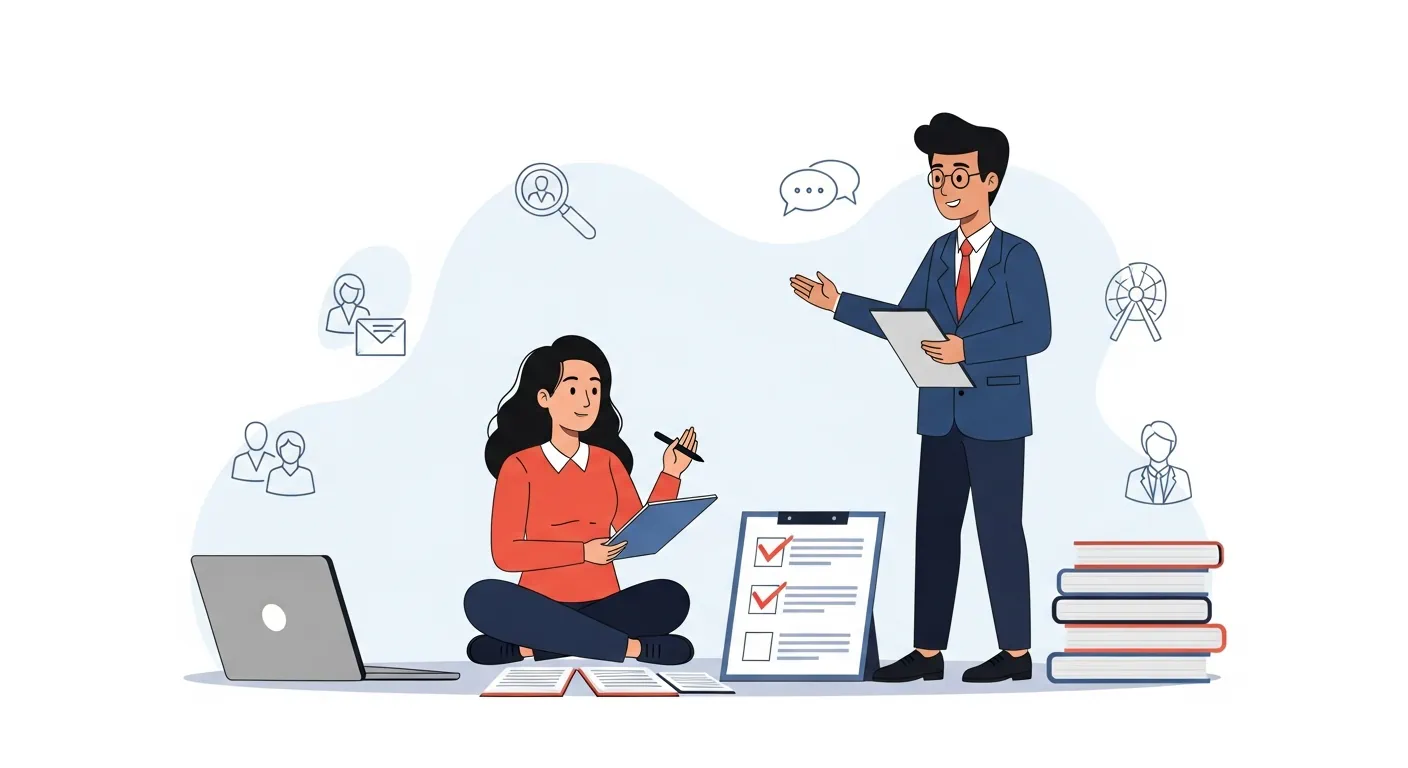
Landing your dream job often hinges on your performance during the interview process. A well-prepared candidate stands out, communicates their value effectively, and instills confidence in the hiring manager. This job interview preparation guide is designed to equip you with the strategies and confidence needed to excel in any interview, whether it's in-person or virtual. From researching the company to practicing your responses and following up, every step is crucial.
This guide will walk you through the essential stages of interview preparation, ensuring you present your best self and significantly increase your chances of securing that coveted position.
Key Takeaways:
- Thorough Research: Understand the company and the role inside out.
- Practice Makes Perfect: Rehearse common interview questions and your answers.
- Tailor Your Narrative: Connect your skills and experiences to the job requirements.
- Master Virtual Etiquette: For online interviews, technical setup and presentation matter.
- Strategic Follow-Up: Leave a lasting positive impression post-interview.
Unlocking Success: The Art of Job Interview Preparation
The modern job market is competitive, and interviews are your primary opportunity to differentiate yourself. It's not just about having the right qualifications; it's about demonstrating your enthusiasm, suitability, and potential to contribute to an organization. Effective job interview preparation is a multi-faceted process that involves understanding the employer, refining your personal pitch, and anticipating potential questions. By investing time and effort into preparing, you transform a potentially nerve-wracking experience into a confident display of your capabilities.
This comprehensive approach ensures you're not just reacting to questions but proactively showcasing why you are the ideal candidate.
Understanding the Landscape: Researching the Company and Role
Before you even think about answering questions, your first and most vital step in job interview preparation is to conduct in-depth research. This goes beyond simply glancing at the company's homepage.
Deep Dive into the Organization
- Mission, Vision, and Values: Understanding these core tenets helps you align your own motivations and explain how you can contribute to their overarching goals.
- Recent News and Press Releases: Stay informed about their latest achievements, challenges, and strategic direction. This shows you are engaged and forward-thinking.
- Products/Services: Familiarize yourself with what they offer and their market position.
- Company Culture: Look for clues on their website, social media, and employee review sites (like Glassdoor) to gauge the work environment. Is it collaborative, fast-paced, innovative?
A report from LinkedIn's 2024 Global Talent Trends highlighted that candidates who demonstrate a deep understanding of the company's challenges and opportunities are 30% more likely to receive an offer. This emphasizes the power of targeted research.
Deconstructing the Job Description
Analyze the job description meticulously. Identify the core responsibilities, required skills, and desired qualifications. For each point, think about specific examples from your past experience that demonstrate your proficiency.
- Keywords: Note recurring terms and skills. These are often what the hiring manager is looking for.
- Responsibilities: Break down each duty into actionable tasks you have performed.
- Required vs. Desired: Understand which qualifications are non-negotiable and which are a bonus.
When you can clearly articulate how your background directly matches the needs outlined in the job description, you make it incredibly easy for the interviewer to see your fit. This detailed analysis is a cornerstone of effective job interview preparation.
Crafting Your Narrative: Answering Common Interview Questions
Once you understand the company and role, it's time to prepare your responses. While every interview is unique, many questions are standard. Practicing these will build your confidence and fluency.
The "Tell Me About Yourself" Opener
This is your chance to set the tone. Instead of a chronological life story, focus on a concise summary that highlights your most relevant skills, experiences, and career aspirations, tailored to the role. Think of it as a compelling elevator pitch.
- Start: Briefly mention your current role and responsibilities.
- Middle: Highlight 2-3 key achievements or skills that directly align with the job description.
- End: Connect your past experience to your future aspirations and why this specific role is the logical next step.
Behavioral Questions: The STAR Method
Behavioral questions, such as "Tell me about a time you faced a challenge" or "Describe a situation where you worked effectively in a team," are designed to assess how you've handled situations in the past. The STAR method is your best friend here:
- Situation: Describe the context of the situation.
- Task: Explain the goal you were trying to achieve.
- Action: Detail the specific steps you took.
- Result: Share the outcome of your actions and what you learned.
According to a 2023 survey by CareerBuilder, 65% of hiring managers use behavioral questions to assess soft skills. Demonstrating your ability to articulate past experiences using STAR is crucial for job interview preparation.
Strengths and Weaknesses
- Strengths: Focus on 2-3 strengths that are relevant to the job. Provide a brief example of how you've used that strength successfully.
- Weaknesses: Choose a genuine weakness that you are actively working to improve. Frame it positively by explaining what you are doing to overcome it. Avoid clichés like "perfectionism" unless you can provide a truly insightful example.
Why This Company? Why This Role?
This is where your research shines. Connect your personal values and career goals with the company's mission and the specific opportunities the role presents. Show genuine enthusiasm and a clear understanding of how you will contribute.
Mastering Virtual Interviews: The New Frontier
Virtual interviews are now commonplace, and effective job interview preparation must include strategies for this format. Technical glitches and poor presentation can detract from even the strongest candidate.
Technical Setup and Environment
- Stable Internet Connection: Test your Wi-Fi beforehand. Have a backup plan if possible (e.g., mobile hotspot).
- Reliable Equipment: Ensure your webcam and microphone are working perfectly. Consider using a headset for clearer audio.
- Professional Background: Choose a clean, uncluttered space. Avoid distractions like busy posters or messy rooms. A plain wall or bookshelf is ideal.
- Lighting: Position yourself so that light sources are in front of you, not behind you, to illuminate your face.
Virtual Presence and Etiquette
- Dress Code: Dress professionally from the waist up, just as you would for an in-person interview.
- Eye Contact: Look into the camera as much as possible when speaking to simulate direct eye contact.
- Minimize Distractions: Close unnecessary tabs on your computer, turn off notifications, and inform others in your household that you need uninterrupted quiet time.
- Engage Actively: Nod, smile, and use verbal cues to show you are engaged and listening.
A 2025 study on remote hiring practices indicated that candidates who present a professional and technologically sound virtual presence are perceived as more organized and detail-oriented, positively impacting interview outcomes.
Beyond the Questions: Demonstrating Proactiveness
Your job interview preparation shouldn't stop at answering questions. There are other ways to impress.
Asking Insightful Questions
Preparing thoughtful questions for the interviewer is a critical part of the process. It demonstrates your engagement, curiosity, and genuine interest in the role and company.
- Focus on the role's challenges and opportunities.
- Inquire about team dynamics and company culture.
- Ask about the interviewer's own experience with the company.
- Avoid questions that can be easily answered by a quick website search.
Example questions:
- "What are the biggest challenges someone in this role might face in the first 90 days?"
- "How does the team collaborate on projects, and what are the current team priorities?"
- "What opportunities are there for professional development within this role or department?"
Showcasing Your Portfolio or Work Samples
If applicable to your field (e.g., design, writing, development), have your portfolio ready to share. Be prepared to walk the interviewer through relevant projects, explaining your role, process, and the impact of your work. This provides tangible evidence of your skills and capabilities.
The Crucial Follow-Up: Leaving a Lasting Impression
The interview isn't over when you leave the room or end the video call. A strategic follow-up can reinforce your interest and reiterate your suitability.
The Thank-You Note
- Timeliness: Send a thank-you email within 24 hours of the interview.
- Personalization: Reference specific points discussed during the interview to make it memorable.
- Reinforce Fit: Briefly reiterate why you are a strong candidate for the role.
- Professionalism: Proofread carefully for any errors.
Post-Interview Reflection
Take time to reflect on how the interview went. What questions were challenging? What could you have answered better? Use this as a learning opportunity for future interviews.
Differentiated Value: Trends in Interview Preparation
Staying ahead means understanding evolving interview practices.
- AI in Interviews: Many companies are now using AI for initial screening of resumes and even for conducting some parts of the interview itself (e.g., video analysis of responses). Understanding how to present yourself effectively to both human interviewers and AI systems – focusing on clear, direct language and avoiding jargon – is becoming increasingly important. This involves anticipating algorithmic interpretation of your answers.
- Focus on Adaptability and Resilience: In today's dynamic work environment, employers are placing a higher premium on candidates who can adapt to change and demonstrate resilience in the face of challenges. This means highlighting instances where you've successfully navigated uncertainty, learned new skills quickly, and maintained a positive attitude during difficult times. Your job interview preparation should include anecdotes that showcase these traits. Data from Robert Half's 2024 Salary Guides shows a significant increase in demand for these "human skills."
Frequently Asked Questions (FAQ)
Q1: How much time should I dedicate to job interview preparation? A: Dedicate at least 5-10 hours of focused preparation for each significant interview. This includes researching the company, understanding the role, practicing answers to common questions, and preparing your own questions.
Q2: What if I don't have direct experience for a certain requirement? A: Highlight transferable skills and experiences. Focus on how you've learned similar tasks, your problem-solving approach, and your eagerness to acquire new skills. Emphasize your adaptability and learning agility.
Q3: Should I ask about salary during the first interview? A: It's generally best to let the interviewer bring up salary first. If pressed, provide a salary range based on your research for similar roles in the location, but express flexibility and your primary interest in the opportunity.
Q4: How important is it to follow up after an interview? A: Following up is very important. A timely and personalized thank-you note reinforces your interest, allows you to reiterate key points, and keeps you top-of-mind for the hiring manager.
Conclusion: Your Path to a Dream Job Starts Now
Mastering the art of job interview preparation is an investment in your career. By thoroughly researching the company, tailoring your responses to showcase your unique value, practicing your delivery, and following up thoughtfully, you significantly enhance your chances of landing that dream job. Remember, confidence stems from preparedness.
What's your biggest interview challenge? Share your thoughts in the comments below!
For more insights into career advancement, explore our related articles on resume writing and effective networking strategies.
Suggested Expandable Subtopics for Future Updates:
- Advanced Virtual Interview Techniques: Deeper dive into specific platforms, remote assessment tools, and handling technical disruptions.
- Industry-Specific Interview Strategies: Tailored advice for tech, healthcare, creative, and finance roles, including specialized question types and portfolio requirements.
- Negotiating Your Job Offer: Guidance on salary negotiation, benefits discussion, and understanding offer letters after a successful interview.