Integrating Your Resume and Cover Letter: A Cohesive Approach to Job Applications
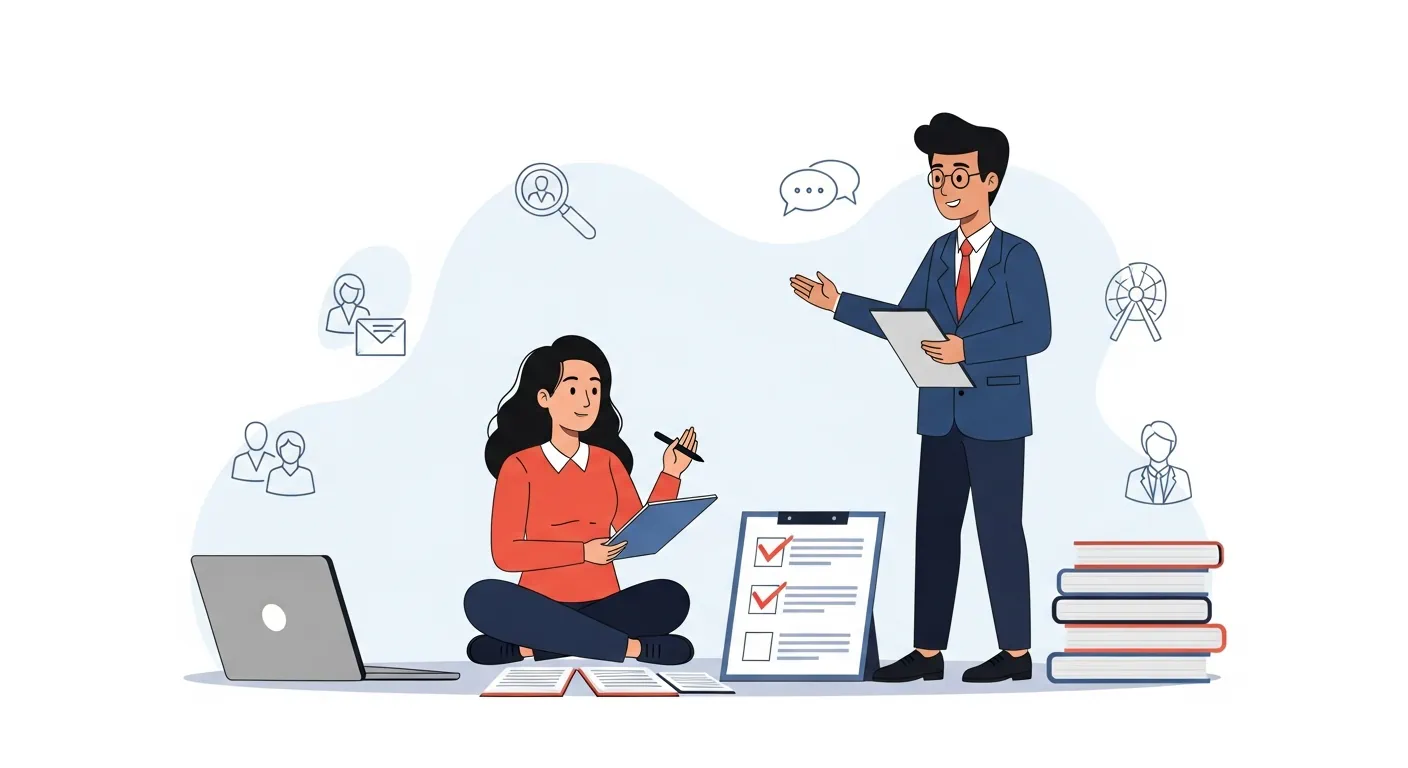
Integrating Your Resume and Cover Letter: A Cohesive Approach to Job Applications
In today's competitive job market, your application isn't just a collection of documents; it's a narrative. Integrating your resume and cover letter transforms disparate pieces into a powerful, cohesive story that speaks directly to a hiring manager's needs. This strategic alignment ensures your professional journey, skills, and aspirations are presented with crystal clarity and impact, setting you apart from the crowd. By presenting a unified message, you demonstrate attention to detail and a genuine interest in the role, significantly boosting your chances of securing an interview. This guide will walk you through the essential steps to create a compelling, integrated application that leaves a lasting impression.
Key Points for a Cohesive Application:
- Unified Narrative: Ensure your professional story is consistent across both documents.
- Targeted Content: Tailor both documents specifically to each job description.
- Keyword Alignment: Mirror keywords from the job posting in both your resume and cover letter.
- Complementary Information: Use your cover letter to elaborate on key resume points.
- Professional Branding: Reinforce your unique value proposition with a consistent voice.
The Power of a Cohesive Job Application Strategy
A job application should never feel like two separate entities merely submitted together. Recruiters spend an average of only 7.4 seconds reviewing a resume, as highlighted by a 2024 eye-tracking study from The Ladders. This brief window underscores the critical need for immediate impact. When you master integrating your resume and cover letter, you create a synergistic effect where each document reinforces the other, painting a complete picture of your qualifications and potential. This cohesive job application strategy is not just about matching words; it's about crafting a singular, compelling argument for your candidacy.
This unified approach helps you bypass Applicant Tracking Systems (ATS) more effectively. An ATS scans for relevant keywords and phrases. By ensuring consistency in language, achievements, and skills between your resume and cover letter, you increase the likelihood of both documents being parsed correctly and your application making it to human eyes. Moreover, it signals to hiring managers that you've put thoughtful effort into your application, rather than sending generic templates.
Strategic Steps for Aligning Your Application Documents
Effectively integrating your resume and cover letter requires a systematic approach. It begins with understanding the specific role and company, then meticulously weaving your experiences into a coherent narrative. These steps ensure your documents work in harmony, presenting you as the ideal candidate.
1. Deconstruct the Job Description for Optimal Alignment
Before writing a single word, thoroughly analyze the job description. Identify keywords, required skills, preferred qualifications, and the company's core values. Highlight these elements and consider them your blueprint. Your resume should visually demonstrate these skills through bulleted achievements, while your cover letter should narratively explain how you meet these requirements. For instance, if "project management" is a key skill, ensure your resume lists specific projects and results, and your cover letter tells a brief story about a project you successfully managed.
2. Craft a Unified Professional Summary and Introduction
Your resume's professional summary and your cover letter's opening paragraph are your first impression. They must be perfectly aligned to immediately capture attention. Both should succinctly state your relevant value proposition and enthusiasm for the role. For example, if your resume summary highlights "an accomplished marketing professional with 8+ years driving digital growth," your cover letter introduction could state, "As an accomplished marketing professional with a proven track record of driving significant digital growth, I was excited to find your opening for [Job Title]." This immediate consistency establishes a strong personal brand.
3. Weave Keywords and Accomplishments Across Documents
One of the most crucial aspects of integrating your resume and cover letter is consistent keyword usage. After identifying key terms from the job posting, ensure these appear naturally in both documents. Don't just list them; integrate them into descriptions of your responsibilities and, more importantly, your accomplishments. Your resume quantifies achievements (e.g., "Increased sales by 15%"), while your cover letter provides the context or methodology (e.g., "My strategic implementation of X initiative led to a 15% increase in sales"). This demonstrates not only what you did but how you did it, offering a richer understanding of your capabilities.
4. Leverage the Cover Letter to Elaborate and Personalize
The cover letter is your opportunity to add depth that your resume's concise format cannot. Use it to expand on 2-3 key accomplishments from your resume that are most relevant to the target role. This isn't about repeating your resume verbatim; it's about providing the "story behind the statistic." For example, if your resume states "Led cross-functional teams to launch new product," your cover letter could describe the challenge, your specific actions, and the positive outcome, highlighting your leadership and collaboration skills. This personalization creates a more human connection and makes your application memorable.
A 2023 survey by the National Association of Colleges and Employers (NACE) found that employers highly value tailored cover letters, with 80% reporting they prefer candidates who customize their application materials. This emphasis on tailored documents directly impacts your chances.
5. Ensure Consistent Formatting and Professional Branding
While content is king, presentation matters. Maintain a consistent professional aesthetic across both documents. Use the same font styles, sizes (where appropriate for readability), and overall design elements. If your resume uses a specific header design or color accent, mirror that in your cover letter. This subtle visual consistency reinforces the idea of a unified application from a detail-oriented professional. Your contact information should also be identical on both documents.
6. The Psychological Impact of a Unified Narrative
Beyond technical alignment, a fully integrated application creates a powerful psychological impact on the recruiter. When your resume and cover letter tell a consistent, coherent story, it conveys a sense of professionalism, thoroughness, and self-awareness. It makes your narrative easier to follow and digest, demonstrating that you understand the role and how your unique skills fit. This recruiter impression is crucial for advancing your application. It also subtly reinforces your capability to manage complex information and communicate effectively, desirable traits in any role, including those requiring behavioral interview techniques to assess soft skills.
Differentiated Value: Beyond Basic Integration
While basic alignment is good, truly differentiating your application means going a step further. We're not just matching keywords; we're crafting an experience for the reader.
Proactive Problem-Solving in Your Cover Letter
Instead of just reiterating qualifications, use your cover letter to subtly address a potential challenge the company might be facing or hint at how you can solve a problem related to the role. For instance, after stating your qualifications, you might add, "I noticed your recent quarterly report indicated a desire to enhance customer engagement, and my experience in [specific strategy] at [previous company] aligns directly with achieving such objectives." This demonstrates initiative and a strategic mindset, showing you've done your research and are thinking beyond merely getting the job.
Leveraging Digital Footprint for Cohesion
In 2025, your professional online presence (LinkedIn, personal website) is an extension of your application. Ensure your resume and cover letter consistently reflect the professional narrative presented on these platforms. When discussing an accomplishment, your cover letter could allude to a relevant portfolio piece or project on your LinkedIn profile, prompting the recruiter to explore further. This creates an interconnected digital ecosystem for your application, enhancing your overall personal branding.
Authoritative Citations & Latest Trends
The emphasis on tailored and integrated applications continues to grow. A recent 2024 report by Gartner on HR technology trends indicated a significant increase in companies using advanced ATS features that penalize inconsistencies across application documents, making a cohesive approach more critical than ever. Furthermore, career experts at Forbes in 2025 frequently highlight that personalized applications, where the candidate clearly connects their skills to the specific job requirements in both documents, are significantly more likely to lead to interviews. This shift underscores the need for applicants to move beyond generic submissions and focus on creating a unified, targeted narrative.
Internal Linking Strategy for Career Advancement
To further enhance your job application skills and prepare for the interview process, explore related resources. Understanding behavioral interview techniques can significantly improve your performance once your cohesive application lands you an interview.
- Mastering the Interview: Learn more about effective communication and strategy by visiting our category on Behavioral Interview Techniques.
- Acing Behavioral Questions: Dive deeper into specific questioning strategies with our article on mastering the art of behavioral interview responses.
- Optimizing Your Resume for ATS: Ensure your foundational document is robust by reading crafting an ats friendly resume tips and tricks.
Frequently Asked Questions (FAQ)
What is the primary benefit of integrating my resume and cover letter?
The primary benefit is presenting a unified, compelling narrative that immediately communicates your value. This cohesive approach significantly improves your chances of passing ATS scans and making a strong first impression with hiring managers, ultimately leading to more interview opportunities. It shows professionalism and a deep understanding of the role.
How do I ensure consistency without simply repeating information?
Focus on making your documents complementary. Your resume should provide concise, quantifiable achievements, while your cover letter should offer narrative context, explain how you achieved those results, and express your genuine interest in the specific role and company. Use similar keywords and a consistent professional tone.
Should my resume and cover letter have identical contact information?
Yes, absolutely. Both your resume and cover letter should display identical and up-to-date contact information. This includes your name, phone number, email address, and optionally, your LinkedIn profile URL. Consistency in contact details reinforces professionalism and ensures the recruiter can easily reach you.
Can I use a single integrated approach for multiple similar job applications?
While you can reuse core sections, it's crucial to tailor each application to the specific job description, even for similar roles. Adjust keywords, highlight different experiences, and modify your cover letter's opening and closing paragraphs to align with the unique requirements and company culture of each application.
Take the Next Step Towards Your Dream Job
Integrating your resume and cover letter is more than a formality; it's a strategic advantage in your job search. By creating a unified, compelling narrative, you showcase your professionalism, attention to detail, and genuine interest in the role. Don't just submit documents—submit a cohesive story of your professional potential.
Now is the time to refine your approach. Start by reviewing your existing documents and pinpointing areas for better alignment. Share your strategies or questions in the comments below! We'd love to hear how these tips help you land your next interview. For more expert advice on career development, remember to subscribe to our newsletter and explore our other articles.
Extend Your Learning:
- Leveraging AI for Resume & Cover Letter Integration: Explore how modern tools can assist in creating cohesive applications efficiently.
- Measuring the Impact of Cohesive Applications: Learn how to track the effectiveness of your integrated approach and refine your strategy.
- Advanced Techniques for Niche Industries: Discover specialized integration tactics for highly specific career fields.