Common Interview Questions and Answers: A Comprehensive Guide
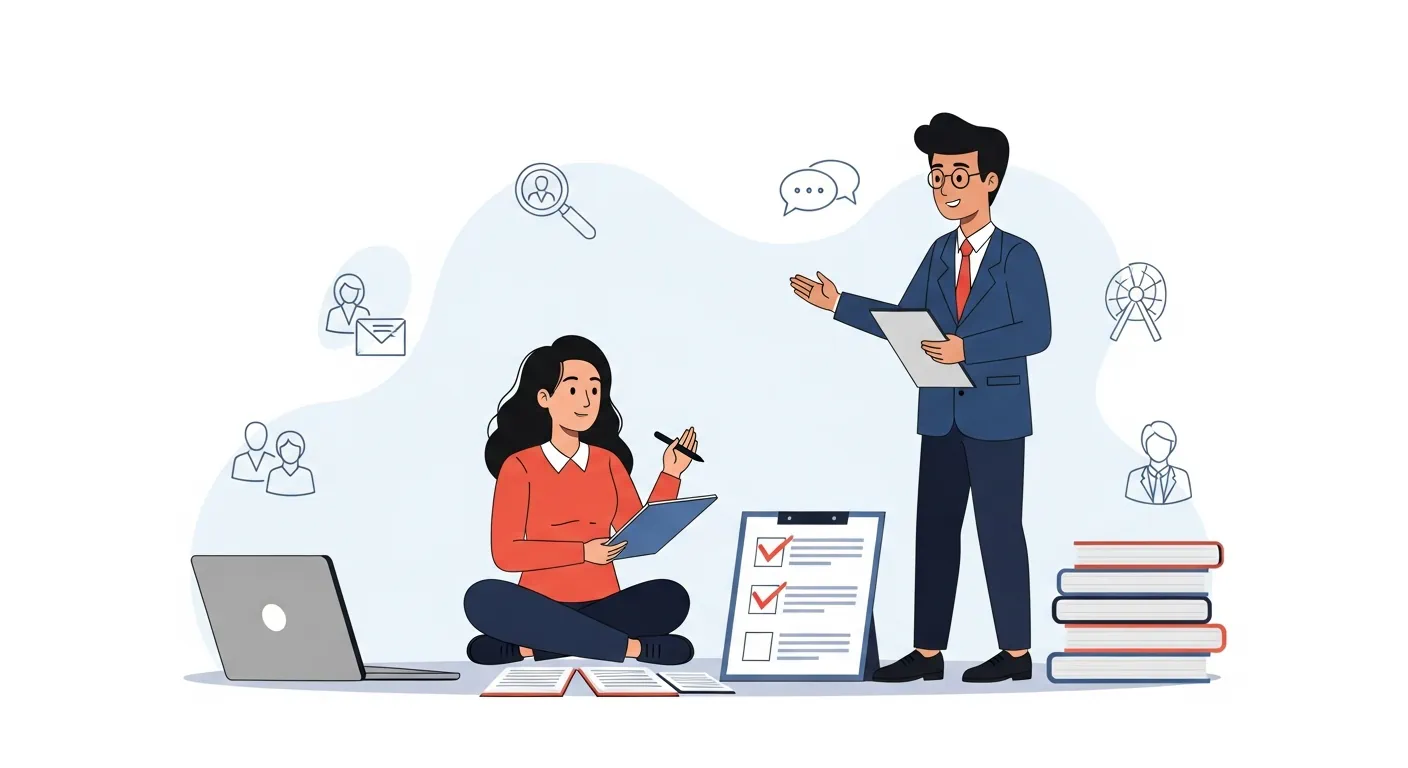
Acing a job interview requires preparation. This comprehensive guide covers common interview questions and answers, providing insights and strategies to help you confidently navigate your next interview. Understanding the interviewer's perspective and crafting compelling responses are key to making a lasting impression.
Key Points:
- Understand common interview question types.
- Prepare thoughtful, structured answers.
- Showcase your skills and experience effectively.
- Practice your delivery for confidence.
- Tailor answers to the specific job and company.
Common Interview Questions and Answers: Behavioral Questions
Behavioral questions delve into your past experiences to predict future performance. These questions often start with "Tell me about a time..." or "Describe a situation where...". STAR Method is a helpful framework for structuring your answers: Situation, Task, Action, Result. Clearly articulating your role and the positive outcome is crucial.
- Example: "Tell me about a time you failed." Use the STAR method to describe the situation, your task, the actions you took, and the ultimate result. Emphasize what you learned from the experience.
Common Interview Questions and Answers: Technical Questions
Technical interviews assess your specific skills and knowledge related to the role. These questions vary significantly depending on the industry. Preparation is key, including reviewing fundamental concepts and practicing coding challenges if applicable.
- Example (Software Engineering): "Explain the difference between a stack and a queue." Provide a concise and clear explanation, demonstrating your understanding of data structures.
Common Interview Questions and Answers for Specific Roles: Preparing for the Unexpected
While preparing for common interview questions is essential, anticipating role-specific queries sets you apart. Researching the company, understanding the job description, and tailoring your responses accordingly demonstrates genuine interest and preparation.
- Example (Marketing): "Describe your experience with social media marketing." Highlight relevant campaigns, metrics, and strategies, showcasing your expertise in the field.
Differentiated Insights: Mastering the Art of the Interview
Beyond standard preparation, consider these unique perspectives:
- Focus on Storytelling: Crafting compelling narratives around your experiences makes your answers memorable and engaging. This approach humanizes your responses and creates a connection with the interviewer.
- Embrace the Power of Questions: Asking insightful questions at the end of the interview demonstrates your curiosity and initiative. Prepare a few questions beforehand based on your research and the conversation.
According to a recent survey by LinkedIn (2024), strong communication skills are highly valued by employers. Practicing your responses aloud helps refine your delivery and boost confidence. Furthermore, a study by Glassdoor (2023) found that candidates who researched the company and role thoroughly performed significantly better in interviews.
Internal Linking Strategy:
- Anchor Text: Learn more about behavioral interview questions. Target: /articles/behavioral-interview-questions (related article)
- Anchor Text: Explore various technical interview questions. Target: /articles/technical-interview-questions (related article)
- Anchor Text: Browse other articles related to interview preparation. Target: /categories/common-interview-questions-and-answers (category)
FAQ: Common Interview Questions and Concerns
How do I answer "Tell me about yourself"?
This is your elevator pitch. Concisely summarize your relevant experience, skills, and career goals, tailoring it to the specific role. Highlight your key accomplishments and demonstrate your enthusiasm for the opportunity.
What if I don't know the answer to a technical question?
Honesty is key. Acknowledge you don't know the exact answer, but explain your thought process and any relevant knowledge. Demonstrate your willingness to learn and problem-solve.
How should I dress for an interview?
Dress professionally, even if the company culture is casual. Research the company's dress code beforehand. Your appearance demonstrates respect and professionalism.
What are some common interview mistakes to avoid?
Arriving late, negative comments about previous employers, lack of preparation, and interrupting the interviewer are common mistakes to avoid.
Conclusion and Next Steps
Mastering common interview questions and answers is essential for career success. Preparation, practice, and a positive attitude are key to making a strong impression. Thorough preparation builds confidence and helps you showcase your best self.
We encourage you to share your own interview experiences and tips in the comments below! Subscribe to our newsletter for more career advice and resources. For further reading, explore our articles on negotiating salary and writing effective cover letters.
Future Expansion Topics:
- Non-verbal communication in interviews
- Interviewing for remote positions
- Handling difficult interview questions
This content is current as of August 2025 and is recommended to be updated quarterly to reflect evolving interview trends and best practices.