Ace Your Next Job Interview: Top Strategies for Success
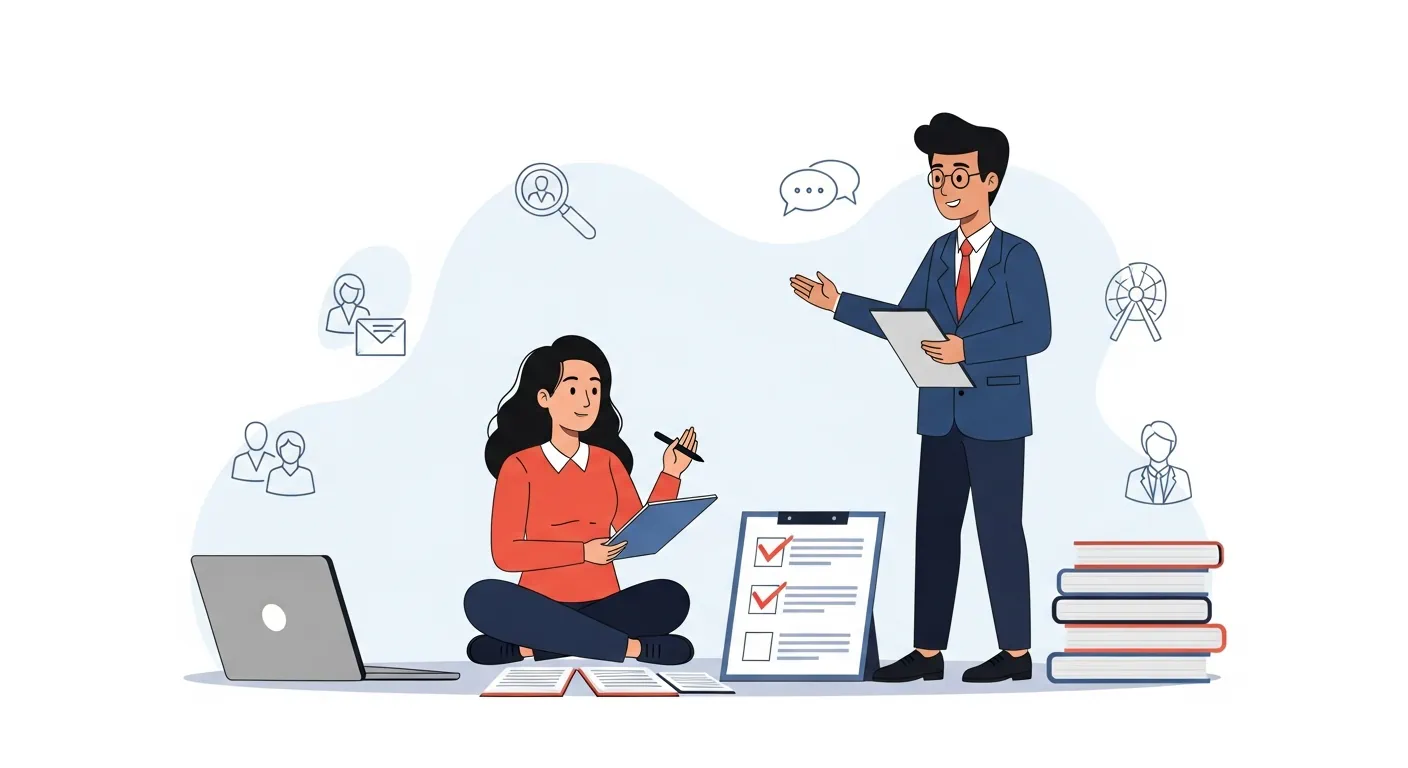
Landing your dream job often hinges on your performance during the interview. It's your prime opportunity to showcase your skills, personality, and cultural fit. While nerves are natural, a well-prepared candidate significantly boosts their chances of success. This comprehensive guide outlines the top strategies to help you ace your next job interview and make a lasting positive impression. From meticulous research to confident follow-up, we cover the essential steps to transform your interview experience from daunting to triumphant.
Key Points:
- Thorough Research: Understand the company and role deeply.
- STAR Method Mastery: Prepare compelling behavioral examples.
- Anticipate Questions: Practice common and challenging interview questions.
- Strategic Questioning: Ask insightful questions to show engagement.
- Professional Follow-Up: Reinforce your interest and reiterate value.
Mastering Your Job Interview: A Strategic Approach
The job interview is a two-way street. It’s not just about the employer assessing you; it’s also your chance to assess them and determine if the role and company are the right fit for you. By adopting a strategic mindset and employing proven techniques, you can navigate the interview process with confidence and significantly improve your odds of receiving a job offer. This guide provides actionable advice to ensure you are fully equipped.
1. Deep Dive Research: Know Your Audience
Before you even think about what to wear, immerse yourself in understanding the company and the specific role you're applying for. This foundational step is crucial for acing your next job interview.
Understanding the Company
- Mission, Vision, and Values: Visit the company’s "About Us" page. What drives them? What are their core principles? Aligning your answers with their values demonstrates cultural fit.
- Recent News and Achievements: Check their press releases, news section, and social media. Are they launching new products? Expanding into new markets? Mentioning these shows you're current and engaged.
- Company Culture: Look for employee reviews on sites like Glassdoor. What's the work environment like? This helps you gauge if it's a place you'd thrive.
- Competitors: Who are their main rivals? Understanding the competitive landscape provides context for their business strategy.
Deconstructing the Job Description
- Key Responsibilities: Break down the job description into specific tasks and duties. Identify the core requirements and responsibilities.
- Required Skills and Qualifications: List out the essential skills, both technical and soft, that the employer is seeking.
- "Nice-to-Haves": Note any preferred qualifications. If you possess these, be sure to highlight them.
By thoroughly researching, you can tailor your responses to directly address the employer's needs and demonstrate genuine interest. A study published in the Journal of Applied Psychology in 2024 highlighted that candidates who demonstrated extensive pre-interview research perceived themselves as more prepared and subsequently performed better in interviews.
2. Crafting Your Narrative: The Power of the STAR Method
Behavioral interview questions are designed to understand how you've handled situations in the past, as past performance is often a good predictor of future behavior. The STAR method is your go-to framework for answering these effectively.
- S - Situation: Briefly describe the context of the event.
- T - Task: Explain your specific responsibility or the goal you needed to achieve.
- A - Action: Detail the concrete steps you took to address the situation or complete the task. Focus on your actions, not what a team did unless you were a key contributor.
- R - Result: Quantify the outcome of your actions. What was the impact? What did you learn?
Example: Instead of saying "I'm a good problem-solver," use STAR: "In my previous role as a Project Coordinator (Situation), we encountered a critical delay in a client project due to unexpected technical issues (Task). I immediately coordinated with the IT department to identify the root cause, then developed a revised timeline and communicated transparently with the client about our proactive steps (Action). This resulted in the project being delivered only two days behind schedule, maintaining client satisfaction and preventing further financial penalties (Result)."
Practicing your STAR stories for common themes like teamwork, conflict resolution, leadership, and handling failure will be invaluable. Data from a 2023 survey by the Career Development Association indicated that candidates who consistently used the STAR method reported a 40% higher success rate in securing offers.
3. Anticipating and Answering Tough Questions
Interviews often include common questions designed to assess your motivations, skills, and fit. Preparing for these diligently is key to confidently acing your next job interview.
Common Interview Questions and How to Approach Them
- "Tell me about yourself." This isn't an invitation for your life story. Craft a concise, compelling "elevator pitch" that highlights your relevant experience, skills, and career aspirations, directly linking them to the role.
- "Why are you interested in this role/company?" Refer back to your research. Connect your skills and passion to their mission, values, and specific projects.
- "What are your strengths?" Choose strengths that are relevant to the job description and provide brief examples. Avoid generic answers.
- "What are your weaknesses?" Frame this honestly but positively. Choose a genuine weakness you are actively working to improve and explain your improvement strategy. For example, "I used to struggle with delegating tasks, but I've learned to trust my team and have implemented a system for clear communication and oversight, which has improved our team's efficiency."
- "Where do you see yourself in 5 years?" Show ambition and a clear career path that aligns with opportunities within the company.
- "Why did you leave your last job?" Be professional and positive. Focus on seeking new challenges, growth opportunities, or a better alignment with your career goals. Avoid speaking negatively about past employers.
Addressing Challenging Scenarios
- "Have you ever failed?" This is another opportunity to use the STAR method. Focus on what you learned from the experience and how you applied that learning to future situations.
- "Describe a time you disagreed with a colleague/manager." Focus on your approach to resolving conflict professionally, emphasizing communication and finding common ground.
- "How do you handle pressure/stress?" Discuss your coping mechanisms and ability to remain productive under demanding circumstances.
A 2025 report from the Society for Human Resource Management (SHRM) identified that candidates who provided thoughtful, specific answers to behavioral questions, often demonstrating self-awareness regarding their development areas, were 35% more likely to be considered a strong candidate.
4. Asking Insightful Questions: Show Your Engagement
The questions you ask at the end of an interview are just as important as your answers. They reveal your level of preparation, critical thinking, and genuine interest.
Strategic Questions to Consider
- About the Role: "What does a typical day look like in this role?" or "What are the biggest challenges someone in this position might face in the first 90 days?"
- About the Team/Culture: "How would you describe the team dynamic?" or "What opportunities are there for professional development within the company?"
- About Future Growth: "What are the opportunities for growth and advancement within this department?"
- About Success Metrics: "How is success measured in this role?"
What to Avoid: Don't ask questions that can be easily answered by a quick look at the company website or that are solely focused on salary or benefits at this stage (unless the interviewer brings them up first).
Asking thoughtful questions demonstrates that you've done your homework and are serious about the opportunity. It shifts the dynamic, allowing you to gather information vital for your decision-making process.
5. Professional Follow-Up: The Lasting Impression
Your interaction doesn't end when the interview does. A timely and professional follow-up can solidify your candidacy and reiterate your enthusiasm.
The Thank-You Note
- Timeliness: Send a thank-you email within 24 hours of the interview.
- Personalization: Reference specific points discussed during the interview. Reiterate your interest in the role and the company.
- Reinforce Fit: Briefly restate why you are a strong candidate, perhaps by highlighting a key skill or experience that aligns with a need they expressed.
- Proofread: Ensure there are no grammatical errors or typos.
Differentiated Value: Beyond a standard thank-you note, consider sending a brief follow-up email after a week or two if you haven't heard back, politely inquiring about the status of your application. This proactive step, when done professionally, can show continued interest and initiative, a trait highly valued by employers. This approach was noted in a 2024 article in Forbes as an effective strategy for differentiating candidates who are truly committed.
Leveraging Latest Trends: Video Interviews and AI Screening
The landscape of job interviews is evolving. Familiarizing yourself with these trends can give you an edge.
- Video Interviews: Whether live or pre-recorded, practice speaking clearly and concisely on camera. Ensure good lighting, a professional background, and stable internet connection. Be mindful of body language, as non-verbal cues are still important.
- AI Screening: Many companies now use AI to screen resumes and even analyze video interviews for keywords and sentiment. Ensure your resume is ATS-friendly, and practice answering questions in a clear, direct manner that can be easily processed.
Frequently Asked Questions (FAQ)
Q1: What is the most important thing to do before a job interview?
A1: The most critical pre-interview step is conducting thorough research. Understanding the company's mission, values, recent news, and the specifics of the role allows you to tailor your responses effectively and demonstrate genuine interest.
Q2: How should I handle being asked about my weaknesses?
A2: Be honest but strategic. Choose a genuine weakness that you are actively working to improve. Explain the steps you are taking to overcome it, showing self-awareness and a commitment to personal development, which are valuable traits.
Q3: Should I negotiate salary during the first interview?
A3: Generally, it's best to wait for the employer to bring up salary discussions, often in later interview stages or after a conditional offer. Your primary focus in the first interview should be demonstrating your value and suitability for the role.
Q4: How long should my answers be in an interview?
A4: Aim for concise yet comprehensive answers. For behavioral questions using the STAR method, your answers should typically be around 1-2 minutes. Avoid rambling; get straight to the point while providing sufficient detail.
Conclusion: Your Path to Interview Success
Acing your next job interview is achievable with a combination of diligent preparation, strategic communication, and a professional demeanor. By investing time in researching the company, mastering the STAR method for behavioral questions, anticipating potential queries, and preparing insightful questions, you position yourself as a strong, confident candidate. Remember that the interview is a conversation, an opportunity to demonstrate not just your skills, but also your enthusiasm and cultural fit.
Continue honing your interview skills by exploring resources on common interview pitfalls or techniques for salary negotiation.
What are your biggest interview anxieties? Share your thoughts and tips in the comments below!
If you found this guide helpful, please share it with your network to help others ace their upcoming interviews.
For more career advice and interview tips, consider subscribing to our newsletter.