Ace Your Next Job Interview: Expert Tips for Success
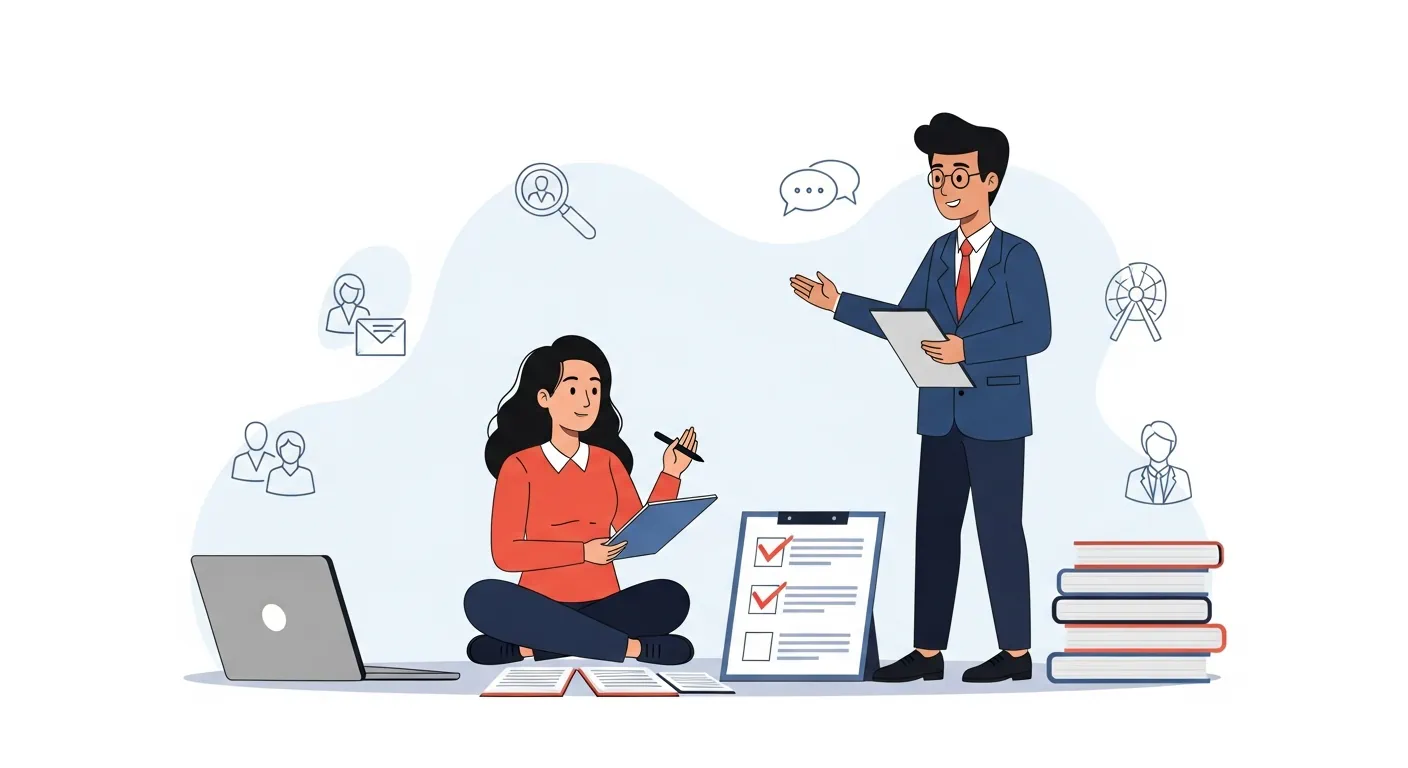
Ace Your Next Job Interview: Expert Tips for Success
Landing a job interview is a significant achievement, but the real challenge lies in making a lasting impression. In today's competitive job market, simply showing up isn't enough; you need to demonstrate confidence, competence, and a genuine fit for the role and company culture. This comprehensive guide will provide you with expert tips for success, helping you navigate every stage of the interview process, from meticulous preparation to impactful follow-up. Our goal is to empower you to ace your next job interview, turning opportunities into offers.
Key Points for Interview Success
- Thorough Preparation: Research the company, role, and interviewer extensively.
- Practice Common Questions: Prepare compelling answers using the STAR method.
- Master Behavioral Questions: Understand the psychology behind these questions.
- Ask Insightful Questions: Demonstrate engagement and critical thinking.
- Strategic Follow-Up: Reinforce your interest and professionalism.
Mastering the Art of Job Interview Preparation
Effective preparation is the cornerstone of any successful job interview. It not only boosts your confidence but also allows you to articulate your value proposition clearly and concisely. To ace your next job interview, dedicate ample time to understanding the landscape before you even step into the room.
Deep Dive into Company and Role Research
Before any interview, immerse yourself in research. This goes beyond just skimming the "About Us" page. Start by exploring the company's mission, values, recent news, and market position. Look for their social media presence, press releases, and any public statements from leadership. Understanding their current challenges and future goals will enable you to tailor your responses effectively.
Next, meticulously analyze the job description. Identify key responsibilities, required skills, and desired qualifications. Think about specific examples from your past experiences that directly align with these points. Highlighting your relevant skills is crucial for demonstrating fit. For more insights into crafting a compelling resume that complements your interview preparation, readers can explore related articles on effective resume writing.
Practicing Common Interview Questions with Purpose
While you can't predict every question, many common interview questions reappear across industries. Preparing thoughtful answers to these staples will significantly improve your performance.
Essential Questions to Practice:
- "Tell me about yourself." Craft a concise, compelling narrative that highlights your professional journey and relevance to the role.
- "Why are you interested in this position/company?" Connect your career aspirations with the company's mission and the role's opportunities.
- "What are your greatest strengths and weaknesses?" Be honest about weaknesses, but frame them as areas for growth with actionable steps.
- "Where do you see yourself in five years?" Show ambition and how this role fits into your long-term career plan.
For behavioral questions, which often start with "Tell me about a time when...", the STAR method (Situation, Task, Action, Result) is an invaluable tool. This structured approach helps you provide clear, concise, and impactful answers that demonstrate your capabilities. Practicing these responses aloud is essential for smooth delivery.
Excelling During the Interview: Strategies for Success
The interview itself is your moment to shine. Beyond your prepared answers, your demeanor, body language, and ability to engage in a meaningful conversation will leave a lasting impression. These expert tips for success will guide you through the actual interaction.
Non-Verbal Communication and Professional Demeanor
Your non-verbal cues speak volumes. Maintain good eye contact, offer a firm handshake (if in-person), and sit with confident posture. A genuine smile can convey warmth and approachability. Listen actively to the interviewer's questions, nodding occasionally to show engagement. Avoid fidgeting, which can signal nervousness. Projecting confidence and professionalism is key.
Asking Insightful Questions: Your Turn to Interview
At the end of most interviews, you'll be given the opportunity to ask questions. This is not just a formality; it's a chance to demonstrate your critical thinking, genuine interest, and foresight. Prepare 3-5 thoughtful questions that go beyond what's easily found on the company website.
Examples of Powerful Questions:
- "What does a typical day look like for someone in this role?"
- "What are the biggest challenges facing this team/department in the next 6-12 months?"
- "How does the company support professional development and growth?"
- "What is the team culture like, and how do you foster collaboration?"
Asking questions about the company's future, team dynamics, or challenges shows you're thinking strategically and are genuinely invested in understanding the role's context.
The Psychology of Behavioral Interview Questions
Many companies increasingly rely on behavioral questions to assess a candidate's past performance as an indicator of future success. These questions, such as "Tell me about a time you failed" or "Describe a situation where you had to work with a difficult colleague," are designed to uncover your problem-solving skills, resilience, teamwork, and leadership potential.
Understanding the underlying competency each question targets is crucial. For instance, a question about failure might assess your ability to learn from mistakes, not just the failure itself. Frame your STAR method answers to highlight positive attributes even in challenging scenarios. According to a 2024 report by Career Insights Magazine, candidates who effectively link their past experiences to future potential in behavioral questions are 30% more likely to receive a second interview. This demonstrates a differentiated approach to interview preparation, moving beyond rote memorization to strategic communication.
Post-Interview Strategies: Solidifying Your Impression
The interview doesn't end when you leave the room. Your post-interview actions are just as important in reinforcing your interest and professionalism. These expert tips for success ensure you leave a lasting positive impression.
Crafting a Compelling Thank You Note
Always send a thank-you note within 24 hours of your interview. This isn't just a courtesy; it's an opportunity to reiterate your interest, thank the interviewer for their time, and briefly re-emphasize a key point from your discussion or a specific qualification that makes you a strong fit.
Tips for an Effective Thank You Note:
- Personalize it: Reference something specific discussed during the interview.
- Reiterate interest: Clearly state your enthusiasm for the role.